Showing posts with label food trends. Show all posts

Monday, 3 January 2022

Food Trends 2022


I’ve been doing some crystal ball gazing in an effort to predict food trends for 2022. During the past year we’ve seen a considerable pandemic related shift on grocery buying habits as we adjusted to spending more time at home.

There’s been a well-documented rise in the food to go and meal kit area and considerable innovation as the restaurant sector struggled to pivot. Food truck numbers increased exponentially and these days it’s more usual to see a coffee machine in a horse box than a horse…


On the other end of the scale, Forbes predicts a rise in cooking robots and automation in the dining industry fuelled by labour shortages.

Expect to see more food ATMs and vending machines. Meanwhile, anyone living in a city or big town can’t have failed to notice the stratospheric rise in delivery bikes – akin to London or LA. After an initial rise in home cooking, cooking fatigue appears to have set in.

Nonetheless, my new book, How to Cook - 100 essential recipes everyone should know, is getting a tremendous response from people who think they can’t cook but would love to…! I’m always happy to write a personal message on request…

There’s a definite rise in the number of people prioritising food and drink products that promise additional health and well-being benefits. It’s difficult to get up-to-date figures on the number of vegans and vegetarians in Ireland but the increasing number of menu options and products on supermarket shelves acknowledges the growth in these areas. Plant-based ‘meats’ like the Impossible Burger and Moving Mountains Burger that sizzle and bleed continue to gain fans.

This year, reductarianism is the new buzz word. It has been dubbed one of the top 10 trends: Reductarians are “Not ready to go full vegan but want to significantly reduce consumption of meat”. This group are determined to make more sustainable life choices and restore the ecosystem. They seek out high quality pasture fed meat produced to high-welfare standards and want to be reassured of environmentally friendly production methods. The plant-based sector and the number of ‘plant-curious’ eaters is growing exponentially. The growing number of environmentally aware consumers want to hear that farmers are making an increased effort to protect wildlife and restore ecosystems.

According to Waitrose, nearly 70% of shoppers are going the extra mile to reduce their carbon footprint in some way or another. Research confirms that environmental awareness amongst consumers has surged during the past year with 85% of us making more sustainable life choices.

Trend forecasters have also noted that those working from home are eating bigger and enjoying more experimental breakfasts.

There’s been a spike in the sale of eggs, bacon and demand for all manner of exotic mushrooms is way up. Kits to cultivate oyster and lion mane mushrooms at home are all the rage. Post cereal snack packs to munch during the day and frozen sandwiches are emerging as lunch solutions.

Pet food sales have gone through the roof.

Urban hydroponic farming is a huge trend in cities all over the world. Everything from salad greens to exotic mushrooms. Innovation in indoor farming and growing some of our own food has skyrocketed. Some vegetable seeds were in short supply last year so order early for 2022. Supermarkets are using roof space to grow both indoors and outdoors. Hydroponics is creating a new interpretation  of locally grown – hyper local…Millennials and generation-Z-ers are dabbling with ‘drysolation’.

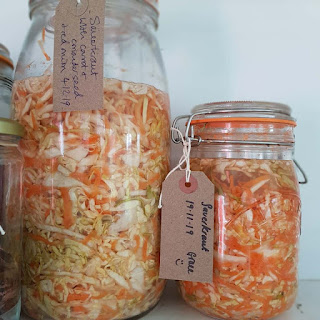
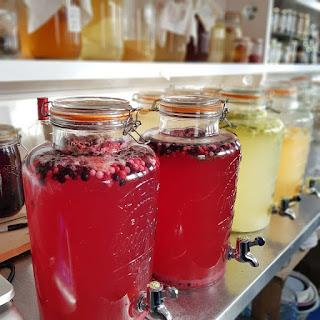
Buzz less spirits, bottled cocktails and ready to drink cans are revolutionising the bar experience. Definitely one of the top trends and here to stay. Functional fizz infused with probiotics and botanicals to boost immunity and benefit gut health and heart health are all the rage. Water kefir, kombucha, tinctures are mainstream. It’s no surprise that turmeric, with its many health-giving properties, is popping up everywhere, not just in fermented foods. Sauerkraut, kimchi and pickles continue to gain market share.
Our love affair with coffee continues unabated. Cold coffee is trending. Look out for Amazake-Japanese coffee, Vietnamese iced coffee. Plant based dairy sales are up. Potato milk is the next big thing, it will be in a coffee shop near you before too long.

Japanese, Korean and Chinese flavours are trending. Sales of umami paste are gathering momentum. Food of the Caucasus and the Levant are also on foodie’s radar. Spicy foods are here to stay from Indian garam masala to Mexican tajini (a mixture of dehydrated dried chillies, lime juice and sea salt), Indonesian sambal oleck, BBQ rubs, Japanese gochujang – all add a pop of flavour.

Pomegranate molasses, Turkish urfa, chilli flakes and feta are flying off shelves. Every list includes Yuzu, the sour tart tangerine sized citrus from Japan, Korea and China that’s taking the culinary world by storm. Use it in drinks, cocktails, vinaigrettes, mayo, ponzu sauce, desserts… mostly available so far as a juice or a bottled sauce. There’s also a craving for old-fashioned flavours that bring back memories of happier more carefree times.

 
Nut allergies have accelerated the popularity of sunflower seeds – they are trending also and are great for people who have allergies to other nuts.

CBD food products, both food and drink are moving mainstream. Hibiscus, the red flowers of a colourful shrub, has been dried and used in tea and drinks around the world from Mexico to South Africa for years but are now included in a myriad of foods, ice-cream, cakes – high in vitamin C. Hibiscus tea is the new matcha. 

Moringa from the drumstick tree is being hailed as a new super food and tastes a bit like dried cherries.

Artisan bakers are burgeoning, virtually every small town in Ireland will soon have an artisan bakery and a range of viennoiseries offering natural sourdough. Market leaders are liaising directly with farmers to grow heritage grain varieties and using freshly milled flour for their loaves.

Sales of herbs and spices are up over 40% since 2020.

By no means a comprehensive list, and it’s always interesting to keep an eye on what is trending in the US. It’ll be coming our way before too long. There’s more genuine concern about food waste. Labelling is becoming more ‘homey’ with terms like 100% grown on American soil and regionally grown produce – watch that space...

Happy New Year to all my readers. Do continue to buy seasonal produce. We can all make a difference to local farmers and food producers with how we choose to spend our food money.


Wednesday, 11 March 2020

Food Trends 2020

Gosh March is already here, the weeks have whizzed past while I’ve been researching the latest food trends – what’s hot and what’s not!
It’s never a good idea to follow trends slavishly, but certainly it’s good to know what’s causing excitement and particularly important for those of us in the food business.
Let’s start with movements:
Climate change concerns are fuelling the vegan and plant based craze. Many young people are switching to a plant based diet believing it to be better for the planet and for animals. The global farming community have done themselves no favours, with intensive poultry and pig farming, raising many legitimate animal welfare issues.
Huge sums of research money continue to be invested in the faux meat and faux cheese industry. The fast food industry has also been quick to react. Sales of alternative meat products are growing in double digits.
The Impossible Whopper is now available in 7,000 Burger King locations. More recently, several variations on blended and fusion burgers have been developed with 25% mushrooms to respond to the growing numbers of flexitarians who are opting to eat less meat.
This trend is not going away anytime soon, and the products and recipes are getting better…
The multinational food products corporation Danone, famous for its dairy products has invested 60 million in developing dairy free products.
The rise in health conscious and socially conscious consumers is driving the zero waste and reduced packaging movement.
193 member states of the United Nations have agreed to halve per capita global food waste, at the retail and consumer level, along production and supply chains by 2030”.
Scotland’s aim is even more ambitious, a 35% reduction by 2025.
Intermittent fasting is starting to gain more traction stateside.
Chefs too are eager for us to know that they are into ‘zero waste’ ... lots of catchphrases around this topic like ‘too good to go’.
In a bid to use up leftovers deliciously, Skye Gyngell introduced the now famous Scratch Menu at Spring in London in Autumn 2017 - brilliant value, superb food, pop it on your’ London List’.

Wonky Veg is becoming super cool… Driven by consumer demand, some supermarkets are embracing the idea at last. Socially conscious consumers are taking the local food pledge to spend 50% of their food budget on local food. Lots of new routes to market like Neighbourfood (www.neighbourfoods.ie) and Farmdrop (www.farmdrop.commaking this task easier.
 The demand for organic produce continues to grow in the US – particularly where consumers are becoming more knowledgeable about the effects of glysophate and other pesticides and herbicides on their health.
Apparently, better quality gas station food is a big trend in the US and UK particularly. Can’t say I’ve noticed, but it would be a welcome development at this point in history when so many people buy their food from the same source as the fuel for their cars.
The word sustainable, with its many confusing interpretations continues to be bandied around. However, the term Regenerative Farming – farmers determined to work with nature to rebuild the fertility of the soil and the ecosystem  is now cooler and more meaningful.
Agroforestry and Synthropic Agroforestry are buzz words in farming circles. 
The campaign to ban single use plastic continues to gain traction however the global recycling system appears to be in chaos as more and more countries follow China’s lead and adopt a ‘return to sender’ policy.


The Fermented Food Movement:
The fermented food movement continues to grow… kombucha, kefir, sauerkraut, kimchi, kvass are all main stream products now.
Food to feed the gut biome is well understood and now more conversation about Food to feed the brain which is in essence the same.
In the US where they are even further down the road of desperation there appears to be a realisation that real food is what is needed.
People are desperately seeking REAL food to boost their health... Alleluiah.....!

Google searches on bone broth and collagen reached an all-time high in 2019. This liquid boosts the immune system, strengthens bones and promotes healthy hair and skin.
The Sourdough Bread Revolution continues unabated.
Artisan bakeries are popping up all over the country from Abbeyleix to Tramore with people like you and I queuing around the corner for a decent loaf of slowly fermented sourdough bread that doesn’t cause one to feel bloated or unwell…

Beware, there’s a lot of ‘faux sourdough’ around. If a loaf doesn’t cost at least €4.50, it’s unlikely to be a natural sourdough which takes at least 12 hours to ferment and should only contain flour (preferably organic), salt, water and a natural sourdough starter – no bakers’ yeast or other additives. The 48-72 hour fermented natural sourdough from the Ballymaloe Cookery School Bread Shed has a growing fan base. 
There’s a revolution in the drinks world…
According to Neilsen data, 66% of millennials are making an effort to reduce alcohol intake hence the demand for non-alcoholic drinks is so skyrocketing. All manner of mocktails and floral infused drinks.
Whole Foods are shifting from alcoholic cocktails to mocktails and reporting a 377% rise in kombucha sales. Look out for Makgeolli, a Korean rice liquer. Baijiu also known as Shaojiu, is a distilled Chinese drink made from grain. It too is becoming cool, even in non-Asian countries. Mescal is cooler than Tequila.... 
Look out for Seedlip, one of the first distilled non-alcoholic spirits to the market. Kin Euphoric's ‘all bliss, no booze’ and Curious Elixir's ‘booze free cocktails’. Watch out for more trendy alcohol free bars like The Virgin Mary in Dublin’s Capel Street.
Cold brews and nitro coffee sales have soared, now 50% of Starbucks orders. I’m also loving all the exciting new bitters, artisan beers and ciders.
The success of the natural wine movement continues to baffle as the demand for clean, chemical and pesticide free, biodynamic and natural wines skyrockets. Fans tell us they love the added bonus of no hangover. Organic wines are gaining devotees of whom I’m one. For suppliers, check out Le Caveau Wine Merchants in Kilkenny, leaders in the field.
The ‘free from’ market gains more shelf space in supermarkets and retail outlets and as ultra-processed food becomes less and less nutritious, the supplement market grows exponentially.
A direct consequence of agricultural policy since the 1950’s encouraging farmers to produce maximum food at minimum costs - a disaster in health and socio-economic terms.
All manner of dairy free milks – oat milk, cashew milk, almond milk, soya milk, directly fuelled by the diminishing quality of cows milk. What’s going on?
CBD infused ‘everything’ is big business, snacks, coffee, drinks, even pet food…and growing.
Huge investment into developing healthy snacks with less sugar. Cadbury's Dairy Milk now has a 30% less sugar than before chocolate bar…
Home Meal Kits:
Home meal kits and food delivery business is off the scale, used to be just in US and UK cities but delivery bikes and Uber Eats are a familiar sight to all of us now. Interestingly Uber Eats, who have their finger on the pulse, report that customers are turning to healthier plant based options in droves.
Onto the rest of the world… more chefs are engaging in sustainable practices. Although many more establishments are still ‘talking the talk’ rather than ‘walking the walk’.
Michelin is coming under increasing pressure to factor sustainability and kitchen culture issues into its evaluation system for awarding stars. Chefs continue to spice up food to allay consumer boredom, hyper regional food is a big trend in the US. And of course the food on the plate needs to be Instagrammable, keeps the name out there…
There are signs that the general public are tiring of ‘cheffy wizardry’, more often than not it’s an occasional or ‘once and once only’ experience, fun to tick off the ‘bucket list’ but not the type of food that people want to eat every week or month... a dilemma...
Experiential Dining is one of the hottest new restaurant trends as is more adventurous kids' menus with global flavours. It’s no longer enough to offer vegetarian and gluten free options, we now need dairy free, plant based, vegan and keto options too...

Ingredients…
·       We’ll be hearing more about Reishi mushrooms, which supposedly boost the immune system  fast becoming another superfood.
·       Mushroom coffee – Chaga
·       Foodies are loving the brassica family  roast Brussel sprouts roast cabbage, broccoli…cauliflower in its many delicious incarnations.
·       Peptides, nutritional yeast, food containing gut healthy probiotics.
·       Lotus seeds, add addictive crunchiness.
·       Harissa, the North African chilli spice paste is the new Sriracha.
·       Jerusalem Artichokes – sun-chokes in the US
·       Lard, beef dripping, duck and goose fat are all super cool..
·       Seaweeds are still trending…
·       Squid ink is also having a moment, added to pasta and mayo…
·       Plant based diets are fuelling an interest in lesser known grains, farro, millet, teff, freekah, sorghum, amaranth even pearl barley….The success of the Hodmedod’s enterprise in the UK, who grow a wide range of dried pulses and grains… is a clear indication of the revival of interest in ancient grains and pulses – increasingly being regarded as super foods.
·       The acreage of heirloom wheat, oats and grains is increasing every year as more artisan bakers, mill fresh batches of flour for their sourdough breads, adding extra flavour and nutrients.
·       Pho and Banh mi sandwiches
·       Rapadura sugar
·       Winter tomatoes
·       Yuzu – a tart fruity citrus about the size of a tangerine that originated in China, we’re all loving the bright flavour.
·       Ube – a vivid, purple yam used to create violet coloured ice creams, brownies, macaron, cakes….
·       Pinsa – a Roman version of pizza, a flat bread made with a combination of spelt, rice and wheat flour.
·       Pizzettas – a finger food sized pizza, what’s not to love?
·       Air dried meats, like biltong and jerky and more fermented salami and saussicons.
·       Nashville hot chicken is huge in US.
·       Japanese fluffy soufflé pancakes are all the rage.
·       Savoury porridge with numerous toppings.
·       Dessert hummus…with added chocolate, peanut butter, cookie dough…
·       Non dairy spreads - almond butter, cashew butter, macadamia nut butter, gluten free products, psyllium, buckwheat – no palm oil and less sugar.


Wednesday, 30 January 2019

Hot New Food Trends for 2019


I’m always excited about the start of a brand New Year, new resolutions, new opportunities, new challenges, lots of fun. So what might be coming down the line in 2019, what do we think is hot and what’s not?

Trends are notoriously volatile but in any business, it’s super important to keep an eye on the indications relevant to your area, analyse them but beware of following them slavishly.

In my business, keeping an eye on what’s happening on the food, farming and beverage scene is essential to staying on the cutting edge and attracting both customers and students from all around the world to Ballymaloe and Ireland.


I travel quite a bit. In 2018 I travelled to China and the US…New York, Florida, Portland, San Francisco, Los Angeles... Amsterdam, Copenhagen, Paris, Turin, London... Food is my subject and so I consider travel to be a vital element in my research. Everywhere I go, I meet artisan producers, farmers, fishermen, cheesemakers, visit Farmers Markets, seek out food trucks, taste street food and eat in a wide variety of cafes, neighbourhood restaurants, and fine dining establishments. I keep my eyes and ears open, ask lots of questions, take lots of photos and lots of notes.

So, here are some of my predictions for food trends in 2019 based on my observations …


The ‘clean eating fad’ it seems, is waning but has been partly subsumed into the vegan food movement. The number of people choosing a plant based or vegan diet continues to grow exponentially. Countless others are becoming flexitarians and are choosing to eat less meat and are actively seeking meat and poultry that has been ethically and humanely reared. Meat-free days are on the increase and multiple restaurants are now offering an optional Meat-Free Monday menu. Believe me this ‘meat-free movement’, now linked to climate change, is no ‘flash in the pan’. Pasture-raised is the buzz word here, rotating animals through lush grasslands can dramatically improve their health, the health of the soil, trapping CO2 in the soil where it belongs, helping with water reduction and reducing erosion – good news for Ireland.


We are edging ever closer to lab-grown meats becoming mainstream. Jaw-dropping amounts of money have been invested in ‘motherless meat’ in the past couple of decades. The Impossible Burger is now a reality, it can even bleed like a real burger if carefully cooked, however the jury is still out on the flavour. I’ve tasted three different versions of what are described as ‘insanely delicious’ plant based burgers and I’m here to tell you that ‘insanely delicious’ they are not, despite the considerable hype to the contrary. Look out for sushi grade ‘not tuna’- made from tomatoes… It’ll be interesting to watch this space, a phenomenal investment has already been sunk into this plant-based burger…

Expect to see more shopper support and shopping brands committed to good animal welfare practices and environmental stewardship. Businesses and farms that support programs to relieve poverty throughout the world are also influencing consumers and have become a definite global trend. Mindful choices, ‘waste not want not’, is a growing preoccupation, consequently some supermarkets are now selling ugly and misshapen but perfectly delicious and nutritious fruit and vegetables at a lower price point.
There’s a growing annoyance among consumers about the excess packaging they are forced to accept. There is a definite awareness of the damage that plastic is doing to our oceans and planet and that it is gradually leaching into our food. We will see an increase in more eco conscious packaging, single use plastic is being replaced by multi-use and compostable. We are all addicted to plastic so it will be a difficult habit to break. B.Y.O.V.B (bring your own vegetable bag) and coffee cup are becoming the norm. Waxed canvas or silicone alternatives for sandwiches and snacks is a significant growth area for manufacturers.

A growing body of research confirms that all disease starts in the gut… The realisation that both our physical and mental wellbeing depend on the health of our gut biome has prompted a huge increase in the number of probiotic foods that contain gut friendly bacteria to improve the immune system. Even granola bars, nut butters and soups are fortified but my advice is to eat real food, seek out raw milk, raw butter, good natural yoghurt, original cheeses, organic vegetables….and ditch ultra-processed food altogether.
Gut awareness continues to drive the interest in fermentation. Cool restaurants and hotels are serving house made kefirs, kombucha, kvass, drinking vinegars, sauerkraut, kimchi and other fermented foods. Bone broths are also having a tremendous revival, a very welcome trend.

Nootropics – brain food is coming to the fore, Crickets and other insects, (a ‘new’ inexpensive source of protein) are being added to processed foods.
In the US dietitians are becoming celebrities as the health crisis deepens and the rise in obesity, type 2 diabetes and autoimmune disease continue to increase at an alarming rate. We are moving towards more personalised food experience. Once again let's eat real, chemical-free food rather than ‘edible food-like substances’ that are unquestionably fuelling the health crisis. In the world of medicine, young doctors are calling for training in nutrition to equip them with the necessary knowledge to advise their patients on diet.

At last some good news for farmers and food producers, new routes to market have been developed where consumers / members order their food on-line, not from the supermarket, but directly from the farmer or food producer who gets 80% of the retail price as opposed to 25-35% through the current retail system. Farmdrop in the UK www.farmdrop.com  is a brilliant example as is NeighbourFood launched in Cork city in late November. It’s already increasing  membership and producers week by week – a very welcome development, check it out on www.neighbourfood.ie

On the global restaurant scene, molecular gastronomy appears to have peaked, top chefs are moving away from using spheres and extreme molecular elements and are putting down their paint brushes and tweezers and chucking out their palette knives – I’m told smears on plates and skid marks are out… It seems like growing numbers are annoyed by the favouritism shown by restaurant critics to avant-garde molecular food. More diners would like to see restaurants concentrating on flavour and not overly complicating dishes, just to make them look pretty. Apparently we’re also over frilly foliage and limp pea shoots but lots of edible flower petals are still in evidence. Small plates are a definite trend.


In the US, UK and several other countries, more people are eating at home, the millennials are cooking again. How cool is that? If you’re not convinced, pay a trip to a Farmers Market here in Ireland, London, New York or the Flea Market in Dublin and watch the action. Farm to Table and Root to Shoot eating continues to gather momentum and drive purchases. Urban vertical indoor farming in cities is exploding, reducing expensive and environmental impact. Amazon’s takeover of Wholefoods in the US is having a profound impact on retail. There are greenhouses on supermarket rooftops in Japan, talk of being able to pick your own tomatoes straight from the vine when shopping…. And Bill Gates has bought 25,000 acres to develop a new ‘smart city’ from the ground up.

Whether we like it or not, increased automation is coming our way – and fast. Robots are already making pizza in France and coffee in San Francisco. They are taking orders and delivering room service. Hotel employees are becoming increasingly concerned about their new rivals – certainly not good news for the job market. Smart fridges that will automatically replenish when you are out of the branded products you can’t live without, are already a reality. There is every conceivable type of meal kit and ready meal….Home delivery of restaurant meals, soon by drone rather than bike, it’s a brave new world out there…


Hot Ingredients
1.    Chefs and home cooks are becoming more adventurous with chilli pepper flakes, Aleppo Pepper or Pul Biber, Piment d’Espelette, Timut pepper from Nepal and Korean Gochugaru.
2.    
    Bitter greens of all kinds are on the best menus, Radichios, Chicory, Sorrell, Tardivo Dandelion leaves... Amaranth is the new Kale…

3.    Marine Munchies –Seaweed and sea vegetables, all more nutritious than anything on land and intriguingly delicious – dried seaweed sprinkles, kelp noodles, samphire, dillisk soda bread... Dillisk has three times the nutritional value of kale.

4.    More unusual herbs, Lovage, Claytonia, Hyssop, Shiso
Wild and foraged, Pennywort, Purslane, Winter Cress, Tagetes, Ground Elder, Chickweed….
5.    Artisan Bakeries - Real natural sourdough fermented for at least 24 hours, better still 48 hours, made with flour from heritage grains.
6.    Specialist Teas – Tea bars are springing up serving exquisite (and super expensive) teas like we can’t imagine, Pu-erh tea has changed my life. Check out a little Taiwanese tea bar in New York called Té on 10th Street. There are even tea cocktails now.
7.    Good fats are back, not just butter but ghee from grass-fed cows, organic pork lard, goose and duck fat…
8.    Argan oil and MCT oil
9.    Organic raw milk and raw butter ($19.99 a pound in San Francisco) much more nutrient dense and delicious.
10.   Puffed and popped snacks - organic popcorn with many flavours, sweet and savoury.
11.     Faux meat snacks, a big trend… Yuck!
12.     Alcohol-free spirits, booze-free cocktails, flavoured whiskeys, artisan gins, beers and ciders…
13.     Natural wines and organic wines are a particularly welcome trend for those who can no longer drink the chemical-laden cheap wines.
14.    Hemp-derived products are exploding…
15.    Doughnuts are still huge in every sense of the word, remember the excitement when Krispy Kreme opened in Dublin…
16.    We’ll see more African flavours, in particular Ethiopian food
17.    Flavours of the Pacific Rim (Asia, Oceanica and the Western coasts of North and South America) are also a strong trend so stock up on fish sauce, wasabi, lemongrass, star anise, pandan leaves, black sesame, soy sauce...
18.  Mushrooms, particularly the wild varieties are naturally rich in umami flavours so are being used in ever more creative ways to create ‘a meaty bite’.
19.  Pulses (peas, beans and lentils) are really having their moment, an important and inexpensive source of protein, there’s a growing choice of pulse-based snacks.
20.    Dried, pickled and smoked foods are ever more evident - smoked butter, salt, chill flakes, garlic, potatoes, carrots, black pudding – even porridge…
21.     Riced and diced as a carb substitute…cauliflower, Romanesco, broccoli…
22.   Stracciatella is everywhere, where can we get it here? – https://www.toonsbridgedairy.com/ .
23.   Cold brew coffee – nitro coffee…

That's just a taste of what's hot and what's emerging in 2019.

Monday, 14 January 2019

The Rise and Rise of Meat-Free Eating


Our eating habits have changed drastically in the last few decades. One in eight Britons are now vegetarian or vegan according to a recent report on food shopping. A further 21% claim to be flexitarian eating a predominantly ‘plant based’ diet, occasionally supplemented with a little meat or fish. That amounts to a staggering one third of UK consumers that have reduced or removed meat entirely from their diet. 


This rapid and dramatic change is being fuelled by the perception that farm animals are one of the major contributors to CO2 emissions… However it is important to realise that those statistics were based on ‘feed lot’ systems rather than grass fed or pasture raised cattle.

Animal welfare issues are high on the list of concerns that have swayed the 18-34 year olds. This age group particularly are becoming much more curious and concerned about how their food is being produced.


Many have lost trust in multinational food companies, supermarkets, governments and the health service. They are confused by food labelling and are becoming more and more desperate as food allergies and intolerances grow exponentially. Consumers are demonstrating increasing concern about the impact of our food choices and behaviour on the environment.

Haulie ploughing our organic glasshouses
The focus on the effect of plastic on our oceans (see BBC’s Blue Planet 2) and the fact that up to 9 different types of plastics were found in human stools in a recent study conducted by the Environment Agency Austria, has shocked people into action.
We want our governments to legislate for less plastic packaging and we want our supermarkets to be proactive about reducing plastic.
For the first time this year The Good Food Guide highlighted restaurants with vegan menus. The UK supermarket group Waitrose, have created vegan sections in 134 of their stores and launched a range of more than 40 vegan and vegetarian meals. This is not going to change anytime soon. My gut feeling is that a plant based diet with lots of fresh organic vegetables, fresh herbs and grains, organic eggs, dairy and some meat and fish is the best for humans, animals and the planet.

In the sage words of Michael Pollan, “Eat food, mostly plants and not too much”.


Our Dynamic Vegetarian Cooking course at the Ballymaloe Cookery School runs on 27th February this year.

See details and book here.