Showing posts with label producers. Show all posts

Monday, 6 December 2021

The Most Important Day of the Year


World Soil Day falls on December the 6th this year.  For me it’s the most important day of the year – perhaps that sounds as if I’ve gone slightly dotty but it’s really good to remind ourselves that we are all totally dependent on the four or five inches of topsoil around the world for our very existence. Our health and over 90% of our food comes from the soil.  If we don’t have rich fertile soil we won’t have clean water or good food – think about it…!  Soil also plays a vital role in regulating the climate and supporting animal and plant biodiversity.
In the words of Lady Eve Balfour: “The health of soil, plant, animal and man is one and indivisible” and the ominous warning from Franklin D Roosevelt – 32nd President of USA that “The nation that destroys its soil, destroys itself” - how prophetic was that!

Here in Ireland, we have little reason to be complacent - only 10% of Irish soil is at optimum fertility.  According the Teagasc that means 90% of Irish soil is mineral deficient mainly as a consequence of overuse of artificial nitrogen, synthetic fertilisers, pesticides and herbicides which damage the soil and the earthworm population.

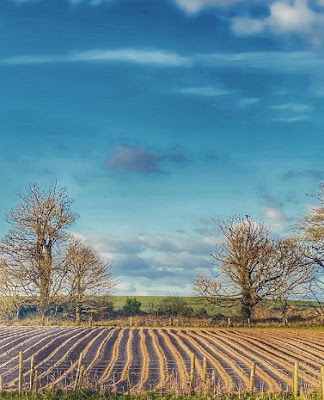
Soils are a limited natural resource; their formation occurs at an extremely slow pace.   At the very least, it takes 100 years to build an inch of topsoil but can in fact take 500 years or more.  Most current food production methods do not nurture the soil, instead they exploit it.  There is a growing realisation among the farming community that we can no longer continue with ‘business as usual’ for a myriad of reasons not least the diminishing nutrient content of our food.  The move by many farmers to regenerative farming as a means of improving soils, increasing biodiversity and mitigating climate change is to be welcomed. 

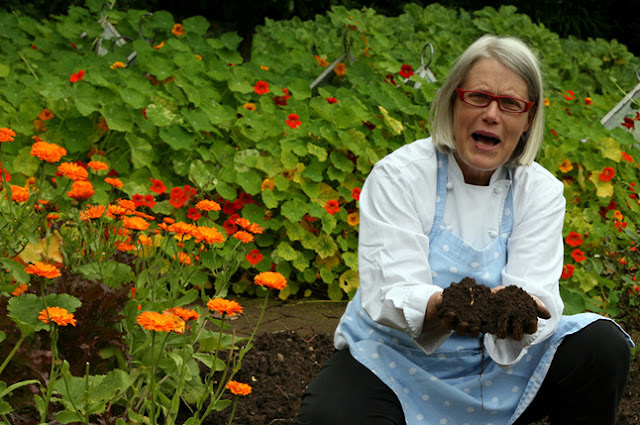
I’m intrigued by the soil.  Soil scientists confirm that there are more microbes, enzymes, protozoa and nematodes in a teaspoon of healthy soil than people on earth but there is so much, still to understand.  If I ‘come back again’, I want to be a soil scientist…  

As organic farmers, we are passionate about the soil.  We continue to build fertility by adding well-rotted farmyard manure, compost, humus, seaweed and even seashells.  Regular soil testing monitors progress.  We eagerly await the introduction of a spectrometer that can measure the nutrient density of food so farmers who produce more nutrient dense food can be paid properly for the extra nourishment their food provides.  That could surely be a game-changer.  It’s not difficult to calculate that someone along the food chain is losing out when a bunch of carrots which takes at least four months to grow from seed are sold for 46 cent.  Despite economies of scale, if this continues there will be no Irish vegetable growers within a few years – they simply cannot any longer continue to produce vegetables below an economic level.  In the words of one farmer ‘we would probably be paid more for stacking shelves in the supermarket’.  This can’t go on – check out the brilliant French initiative C’est qui le Patron (@cestquilepatron_ on Instagram) where the consumer gets the option to pay more having being told the story behind the production of that litre of milk, loaf of bread, carton of eggs…
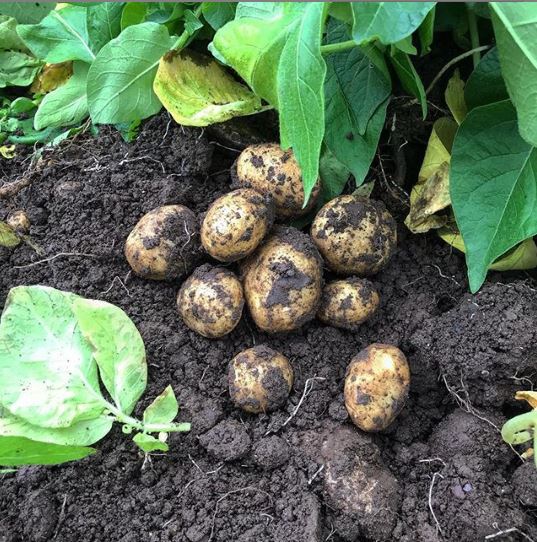

Delicious, nutrient dense, wholesome food that helps to build a strong immune system and boosts our antibodies comes from rich fertile soil not from labs and test kitchens.

Monday, 4 January 2021

Why Buying Local Mattters

Well here we are at last in 2021, full of hope and expectations and good riddance to 2020. It’s been quite the upheaval for each and everyone. The Covid 19 pandemic has forced us to rethink so many aspects of our lives, our values, our global food and distribution systems…

It has shown just how vulnerable we are and taught us many valuable lessons on how to be better prepared for future crisis. Almost overnight back in March, the entire world was plunged into uncharted waters, everyone from governments, the entire medical system, multinational food companies, artists, musicians, teachers, publicans, chefs…all scrambled to cope with unprecedented challenges. The shock of coping with the heartbreak of bereavements, the prospect of loosing a job, racking our brains to think of other income streams to survive - our lives changed beyond recognition.

This experience has forced us to pause and to readjust our priorities, to realise how futile it is to waste our lives embroiled in never ending battles for wealth, status and power.

The brilliant thing is that even in a pandemic we all need to eat.

Restaurants have reinvented themselves offering take outs, meal kits and family suppers. Food trucks are popping up everywhere, from Ballynamona Strand to Inishowen serving everything from fish and chips to ramen and fajitas.


Farmers Markets have quite rightly been declared an essential service. Branches of NeighbourFood, the online Farmers Market started by Jack Crotty in Barrack Street in Cork in early 2019 are popping up all over the country and now also in the UK.

Newspapers, on-line websites, Click and Collect options continue to be introduced by locally owned Irish businesses. The ongoing crisis has also created a myriad of opportunities for people to start little businesses at home in their spare room, garden shed, garage or kitchen. Many have discovered entrepreneurial genes they never realised they had, desperation has fuelled creativity.

Buying local has turned into a mainstream trend. Lockdown has forced us to explore what’s available in our local area and wow, what treasures we have discovered. Local butchers, bakers, farmers, fish smokers, artisan preservers, honey producers….


So over Christmas, many people were on a mission to buy only local produce and crafts. The penny has really dropped that money spent in small local shops, saves jobs, creates opportunities and leaves a much smaller carbon footprint than giant retailers flying products in from all over the world. More than 2/3 of the €5 billion we spend on- line every year disappears overseas, whereas every €100 spent in the local shop is worth €500 in real terms to the local community, how good does that feel?

So let’s continue this collective mind-set and be proud of the difference our contribution can make to where we live.

Saturday, 10 October 2020

The Wonder of Oats

October 10th is World Porridge Day, a good opportunity to remind ourselves of this inexpensive super food which comes to us in many variations – it’s basically one of the great convenience foods of the world.

Virtually every food writer and journalist who stays at Ballymaloe House raves about the porridge that they serve for breakfast with a generous drizzle of Jersey cream and a sprinkling of soft brown Barbados sugar. It’s not just any old porridge – it’s Macroom oatmeal, lovingly kiln roasted and milled by Donal Creedon at Walton’s Mill, the last surviving stone mill in Ireland. The mill has been in the same family since the 1700’s. Donal, the great, great, great, great grandson of founder, Richard Walton, carefully and respectfully carries on the tradition.


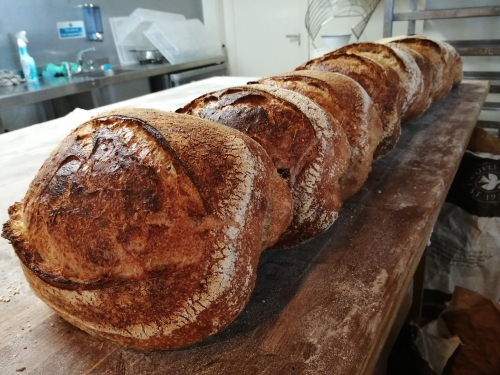
The porridge is sold in the same distinctive red, white and yellow bags – which is somehow reassuring. The oats are gently toasted for up to two days on cast iron plates to give the oatmeal the distinctive toasted flavour we all love. 

Long gone are the days of gruel and watery porridge….. So if you are convinced oatmeal is just for breakfast – think again! The texture is deliciously chunky and packed with flavour. Steel cut or what many refer to as pinhead oatmeal, which takes considerably longer to cook. Jumbo rolled oats and ‘speedie cook’ rolled oats, are also delicious. Oatmeal is not just for breakfast porridge, biscuits and granola. It’s also brilliant in savoury dishes such as savoury porridge with greens.


A past student Alex Hely-Hutchinson, opened a restaurant in London called 26 Grains. The 8 or 9 different types of porridge on their menu, both sweet and savoury have customers queuing every day. 26 Grains was probably inspired by GrØd, the porridge paradise in Copenhagen, opened in 2011 in a basement on Jaegerborggade, at that time a distinctively dodgy street with appealingly low rent. Now there are several branches and a GrØd cookbook. They were pretty much ‘skint’ when they opened but manged to afford to buy some oats to make bowls of hot steaming porridge – the rest is history…a huge success story! The menu now includes other comforting food like risotto, dahl and congee and there are now branches all over Denmark.
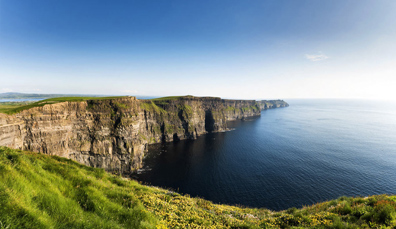

Oatmeal has a long and fascinating history. It has been grown in Ireland since medieval times, our humid, wet climate suits it. There are many historical references and a wealth of archaeological evidence. Oats were used in gruel, porridges, flatbreads and by all accounts, a not very good beer! The straw and chaff were used in the manufacture of floor covering, baskets, hen roosts and bedding – but back to the kitchen.

To use that much overused term, they are definitely a ‘super food’. Oats are packed with protein, high in soluble fibre, which helps to lower cholesterol and you’ll have noticed that you don’t feel like reaching for a donut at eleven if you have a bowl of porridge for breakfast. Apart from the fibre content which is good for your gut and helps to prevent constipation, it is super filling and satisfying and boosts our energy levels. Oats also contain a wide range of nutrients, vitamin E, essential fatty acids and if you are to believe all the research, helps to prevent cardiovascular disease by lowering your bad LDL cholesterol without affecting the good cholesterol. The high fibre and complex carbs help to stabilize the blood sugar according to the American Cancer Society. The lignans in oats helps to reduce hormone related cancers. 
Up to relatively recently I was a Jersey cream and soft dark brown sugar devotee but I’ve become much more adventurous (led by my grandchildren and the Ballymaloe Cookery School students example). Think peanut butter and banana; walnuts, blueberries and maple syrup or honey, roast almonds, dates and almond butter (it’s all about what you sprinkle on top). Stewed apple or compote with cinnamon. I draw the line at white or dark chocolate chips but suspect that’s a generational thing.

Monday, 27 July 2020

Summer Salads


Everyone on the farm and gardens continued to sow and plant for the past three months during the Covid-19 pandemic. They too are heroes providing nourishing nutrient dense super delicious vegetables and fruit to boost our immune system and keep us healthy. 


Now we are reaping the dedicated rewards of their hard work. Baskets of fresh peas, cucumbers, onions, broad beans, beets...the tomatoes have been ripening slowly for the past few weeks but now we have lots for the kitchens, Farm Shop, Farmers Markets and online NeighbourFood Markets.


The field crop of flowery potatoes, a blight resistant variety called Orla, is ready. If you haven’t ever dug potatoes out of the ground, you haven’t lived! It’s a special ‘Woops in the tummy’ moment when you uncover those jewels under the stalk. Will it be one or two or maybe five or six….?


Everyday we have big platters and bowls of salads oozing with fresh flavours and vitamins and minerals, no need for supplements - this is the real thing. 


I want to share with you a range of beautiful chunky salads that can be easily put together with the gorgeous summer produce that is coming in from the garden and greenhouse everyday. So what's the secret of making a memorable salad, apart from beautiful fresh produce of course, here are a few tips...

1. Think about a contrast of colour, texture and flavour - counterbalance of sweet, salty and sharp and sour.

2. Vary the greens from crunchy little gem, bitter and beautiful Castlefranco, radicchio, mustard greens, mizuna, tender butterhead, watercress, pea tendrils, peppery rocket and edible flowers. 

3. Add lots of fresh herbs, mint leaves, little sprigs of tarragon, coriander leaves, dill and a variety of basil leaves, purple Opal, Lemon, Vietnamese, Thai, Genovese basil all produce a different burst of flavour. Even flat parsley and of course chervil.


4. Keep it chunky, a base of potatoes cooked in well salted water and tossed while still warm in perky dressing can have a myriad of other ingredients added. Substitute potatoes with chunky roast beetroot, sweet potatoes, white turnips...Pasta, egg noodles, rice or buckwheat noodles are also great.

5. Don't forget the pulses, chickpeas, cannellini beans, lentils, dress with a perky dressing - a great foundation to embellish with summer vegetables, herbs and spices.

6. Grains and pearl barley must be soaked overnight to make them digestible.

7. Freshly roasted and ground spices also add magic to your salads and dressings adding the flavour of the East and Far East, India, Morocco, Mexico depending on the combination you choose.

8. Vary the dressings too, a basic French dressing of 3 parts cold pressed extra virgin olive oil and 1 part aged vinegar seasoned with flaky sea salt and freshly ground black pepper can be superb, depending on the quality of its oils and vinegars and then there's flavoured oils – hazelnut, walnut, avocado…. 

Add a little honey, some excellent mustard, maybe some finely chopped shallot, crushed garlic and lots of fresh herbs - sublime to dress leaves or even a potato salad. The proportions could be 2-1 instead of 3-1 if you want a perkier flavour. But there's so much more, don't forget tahini, miso, pomegranate molasses, date syrup...Look out for Katie Sanderson's White Rayu Mausu. There are so many addictive hot sauces to experiment with now.


9. Sprinkle roasted, salted and toasted nuts and seeds over your salads - hazelnuts, walnuts, pecans, pistachios, sesame seeds, sunflower, pumpkin...

10. Dried fruits also add a burst of sweetness, extra nutrients and deliciousness. Apricots, dates, dried cherries or cranberries, raisins, sultanas, currants, goji berries….

11. Crunchy croutons, seedy brittle or crispy chicken skin add magic too.

12. Experiment with dressings, maybe natural yoghurt, lime and harissa, mayo, rice vinegar, grated new seasons garlic…. Combine grape seed oil, rice vinegar, miso and grated ginger. Experiment with different vinegars - white balsamic, apple cider vinegar, Moscatel vinegar. Don't forget a generous squeeze of lemon juice to cut the richness in a mayo dressed salad.

The world’s your oyster as salads are concerned – start with beautiful ingredients, be creative and adventurous…experiment and taste, taste, taste…

Tuesday, 7 July 2020

Irish Cheesemakers

Blessed are the cheesemakers!  Let’s all do our bit to support small Irish producers, many of whom are still experiencing real hardship.  The farmhouse cheese makers as just one example so let’s make a conscious effort to buy a piece or better still several pieces of Irish farmhouse cheese this weekend.  I’m fantastically proud of the range of handmade farmhouse cheeses we have here in Ireland.  Cow’s milk, goat’s milk, sheep’s milk and buffalo milk.  
Toons Bridge Dairy – The Real Olive Company
Toons Bridge (pictured above) and Macroom Mozzarella make tender milky cheese to rival the very best Italian Mozzarella. No wonder it’s so good, it’s made from the rich milk of the buffalos that range freely in the lovely mixed pastures of West Cork. 
Toby Simmonds and his team of Italian and Irish cheesemakers at Toons Bridge Dairy also make straw smoked Scarmoza Caciocavallo,  Ricotta, Halloumi and Cultured Butter easily available from local Farmers Markets or online.  He’s recently opened a shop on South Great Georges Street in Dublin – how gutsy and deserving of support is that in the midst of Covid-19…
For many of the cheesemakers who were also supplying the service industry, the closure of the restaurants, hotels and cafés business meant the loss of over 75% of their business overnight, yet the cows kept milking and the cheese kept aging, needing to turned and matured to bring them to the peak of perfection, but how or where could they sell their produce.  They too had the heartbreak of laying off many of their skilled cheesemakers who were often neighbours from their own parish.

The reopening of the local Farmers Markets has been a significant help to some producers.  Local customers are flocking back while observing social distancing.  Look out for Jane Murphy’s Ardsallagh goat’s cheese in Midleton and Mahon Point.  You’ll find the beautiful Ballinrostig Gouda type cheese there too and a whole display of cheese to choose from at Christian and Fiona Burke’s stall.
A trip to the English Market in Cork will make your heart sing – bring an empty basket and fill it up. 
Over 60 beautiful farmhouse cheeses are made around the country and on the islands, a high proportion are made in Cork county.  We have soft, semi-soft, semi-hard and hard cheese to rival anything anywhere and I’m not saying that just because I’m an adopted Cork woman….
Siobhán Ni Ghairbhith makes the legendary St. Tola goat’s cheese from raw milk but she also makes pasteurised milk cheese for the multiples.  She employs 7 people on her farm on the edge of the Burren in Co. Clare. 
Gubbeen cheese suppliers, pictures, product info
When lockdown was introduced overnight, every cheesemaker in the country scrambled to cope with the gallons and gallons of milk in peak season.  Siobhán set up an online artisan cheese box which also includes some other artisan products as did Gubbeen, Cashel Blue, Cooleeney and several others.  Siobhán is a multi-skilled cheesemaker so she decided to make less soft cheese which has a shorter shelf-life and more hard cheese which will continue to improve with age – look out for it later in the year.
Can you imagine how lovely it would be to get a hamper like that by courier or to send a present to a friend or care worker or as a comforting gift to absent family members.  There’s a list of Irish farmhouse cheesemakers on the Cáis website.
The reason why Irish cheeses are so good is the quality of the milk.  Here in Ireland we can grow grass like virtually nowhere else in the world so cows that are out on grass particularly in Summer produce beautiful milk that makes gorgeous cheese.  Irish farmhouse cheese have been awarded prizes in the World Cheese Awards many times.  As a sector, the artisans are incredibly resilient and resourceful.

These feisty cheesemakers up and down the country has led the food revolution and helped in no small way to change the image of Irish food both at home and abroad.  In 1984 when milk quotas has just been introduced, the late Veronica Steele (pictured), started to experiment in her kitchen on the Beara Penninsula.  She couldn’t bear to waste a drop of milk of her favourite – one horned cow named Brisket.  The end result was Milleens, the beautiful washed rind cheese that inspired several generations, mostly women, to make cheese.  Such a joy to see her son Quinlan continue to make superb cheese.  The second generation continues to build on their parents legacy at Durrus, Gubbeen, Cashel Blue…how fortunate are we to have access to many exceptional delicious cheeses, now more than ever is the time is to show our appreciation with our support.

Monday, 13 April 2020

Food for Thought

The past few weeks have been tough on a whole variety of ways – each family has its own set of challenges.

On the food scene, it has been little short of astonishing to see the ingenuity and resourcefulness of farmers and local food producers who have come up with a myriad of solutions to get their perishable products to their local customers. 


Many foods are already in short supply. People are in desperation for flour. Millers like Donal Creedon at Macroom Mills (026 41800) have been milling virtually around the clock.

Farmers continue to care for their animals, milk cows and sow and plant to ensure future harvests. They are setting up farm gate sales contactless delivery and payment via Revolut.


Neighbourfood hubs (www.neighbourfood.ie) are springing up around the country much to the appreciation of both food producers and local community. Just look at how creative we can be, what individuals and communities can organise when they are allowed to get on with it. Up to 60 years ago, towns and villages were virtually self-sufficient – we could so easily work towards that again, in energy, waste disposal and food production services. 
We are having quite the wake-up call – food for thought – time to think outside the box and give thanks for so many blessings even in these terrifying times. Let’s concentrate on finding the silver lining that we are told is behind every dark cloud.

Easter is the time of resurrection, take hope this too will pass.
Stay resilient and continue to dig deep to find the inner strength you didn’t even know you had – look out for each other and continue the little acts of kindness.

Happy Easter to you and all your family.

Keep safe


Wednesday, 8 April 2020

How to Shop Local During Covid-19

Never was it more important to buy locally. Many Farmers Markets are temporarily closed but food producers are scrambling to find other ways to get fresh produce to their customers with whom they have built up warm relationships over the years.


Many are now selling from the farm gate and taking orders by phone and doing contactless, deliveries straight to the boot of your car.


Our Ballymaloe Cookery School Farm Shop in Shanagarry is open every day except Sunday. Order online or ring in your order – Contactless deliveries to the boot of your car if requested, Natural sourdough bread and other freshly baked breads, organic vegetables from the farm, Jersey yoghurt, buttermilk, homemade soups, stews, pies, pâtes, fermented foods, drinks and sweet treats…Telephone 021 4646785 or go online to farmshop.ballymaloecookeryschool.ie to order.


Dan and Anne Ahern are setting up a Farm Gate Shop on their farm close to Midleton to sell their rich organic Jersey milk, eggs and Mary Regan’s organic chickens. This is being run on a Saturday morning only from 9.00am to 12pm and the Eircode is P25 WP44, approx. 5kms from Midleton.


NeighbourFood is another brilliant source of local food with branches in Cork City, Douglas, Watergrasshill and Lisavaird. There will be a NeighbourFood branch at Ballymaloe Cookery School on Saturdays. Orders must be in by Thursday evening at midnight. Collection is 1.00pm – 3.00pm on Saturdays. Optional contactless delivery.


Tuesday, 5 November 2019

Artisan Food Tour of Northern Ireland

On a recent reconnaissance trip to Northern Ireland, it’s not too strong to say I was blown away by the explosion of artisan food and drink producers. After three action packed days, I struggled home on the train resembling a ‘bag lady’ with large totes overflowing with produce – so many delicious new finds...

Image result for strangford lough"
Image: Ireland.com


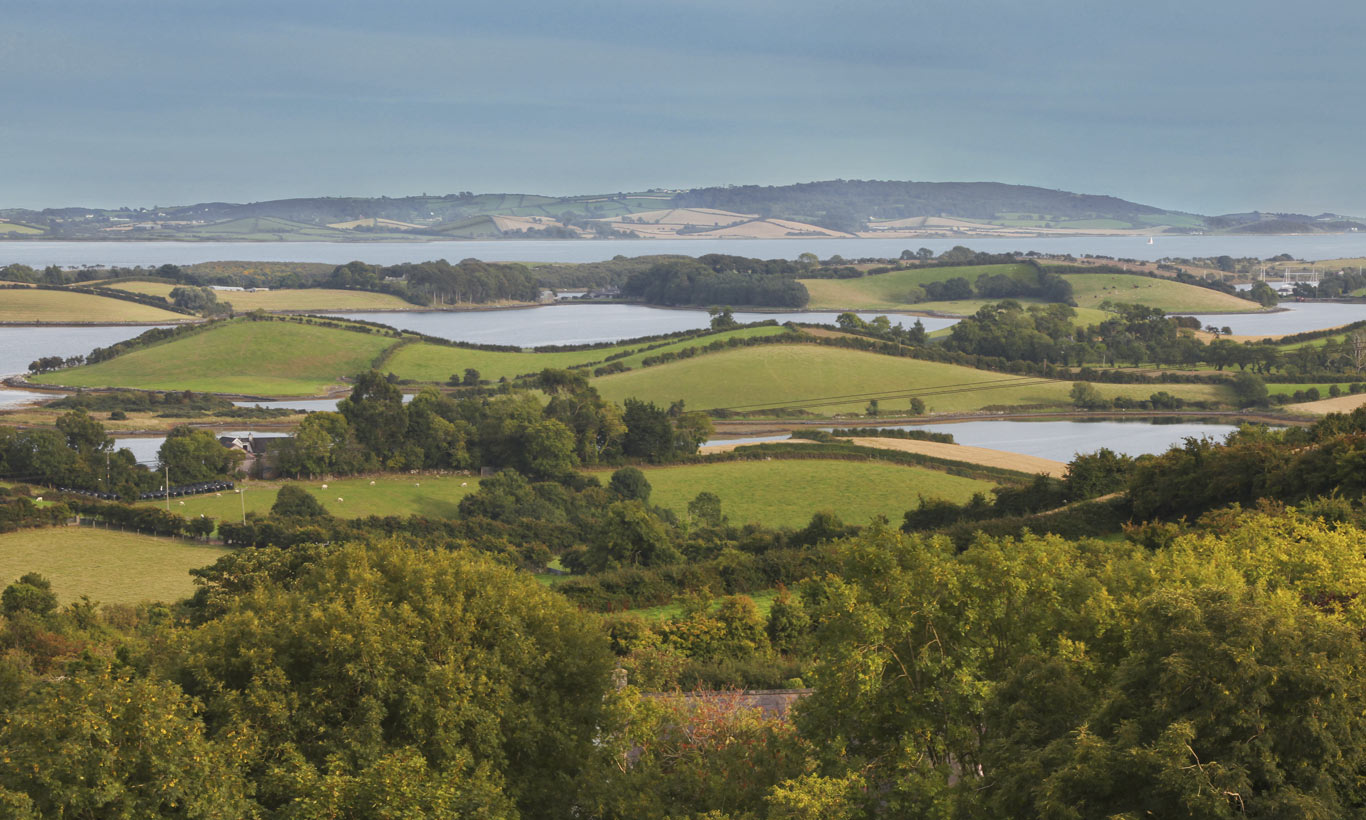
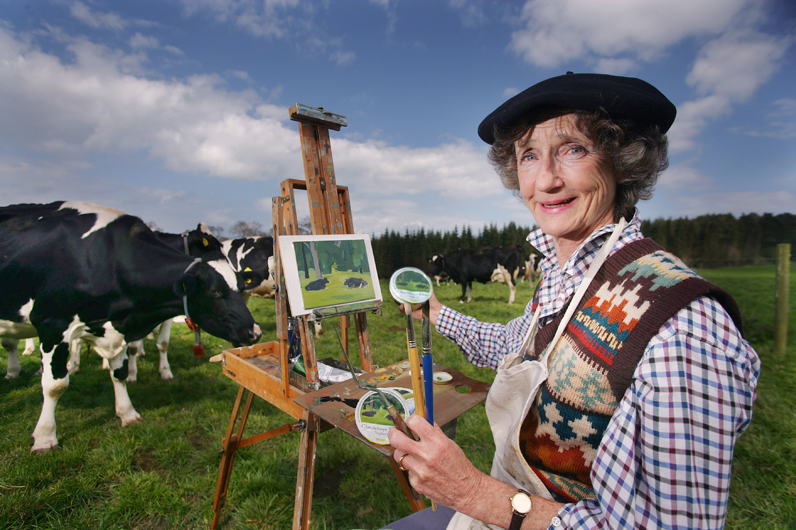
My adventure began in the Strangford Lough region. I was collected from lovely Clandeboye after a particularly good breakfast of freshly boiled eggs and unctuous Clandeboye yoghurt made from the milk of Lady Dufferin’s fine herd of Jersey cows – Seek out this yoghurt, its superb and I don’t use that word loosely.

Lady Dufferin painting the cows responsible for the Clandeboye Yoghurt
Image: http://www.clandeboye.co.uk/


After a meandering drive around beautiful Strangford Lough, we arrived at the Echlinville Distillery outside Kircubbin. It’s the first newly licensed distillery in Northern Ireland in 125 years. Since its establishment in 2012 it’s at the forefront of Ireland’s spirits renaissance and is the home of some of the North’s best known spirits, including Jawbox Gin, Dunvilles Irish Whiskey and lots of innovative work going on here with barrel aging in various woods... We particularly enjoyed a 12 year old Dunville’s single malt, aged in a PX barrel, the return of an icon originally introduced in 1808.

Image result for echlinville distillery"
Image: https://www.visitardsandnorthdown.com/things-to-do/echlinville-distillery


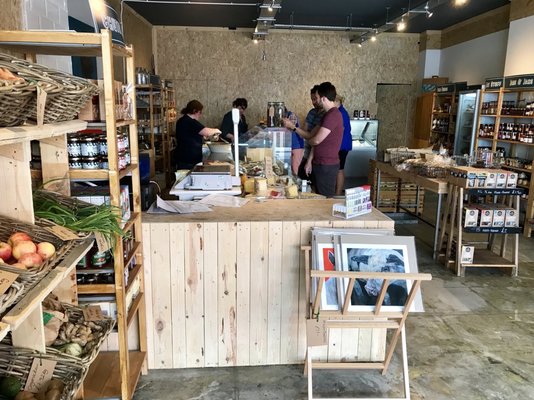
After our tour and tipple, it was on to the little town of Comber to the super cool indigenous and independent Indie Füde shop. Owner Johnny McDowell bounced out to greet us, his little deli/cum café was packed with small batch artisan products from all over the island of Ireland but particularly the North. 

Fantastic charcuterie from Broughgammon Farm and Ispini, Boerwors from Hellbent, Buffalo Salami from Ballyriff, Buchanan’s Irish peat smoked back bacon with a delicious layer of fine back fat, Abernethy's handmade butter made in Dromara from the cream of the grass-fed cows and then a whole counter of wonderful artisan cheese. Blue Buck, of course, but also several I hadn’t tasted before: a Sperrin blue, a triple cream cheese from Ballylisk of Armagh called Triple Rose. An oak smoked Drumlin Cheddar from Silka Cropp of Corleggy fame in Co Cavan.

I also found some smoked anchovies from East Coast Seafoods and a loaf of french village bakery sourdough - how about that for a picnic?

Image result for Indie Füde"
Image: yelp.com

Johnny is properly passionate about local foods and loves to do things differently from eco-friendly packaging, bold designs to bespoke gift ideas, always trying to surprise and innovate. Follow Indie Füde (www.indiefude.com) to find out about their cookery demos and pop up supper clubs, Will Brown was cooking up a storm while we were there getting ready for that evenings supper club.

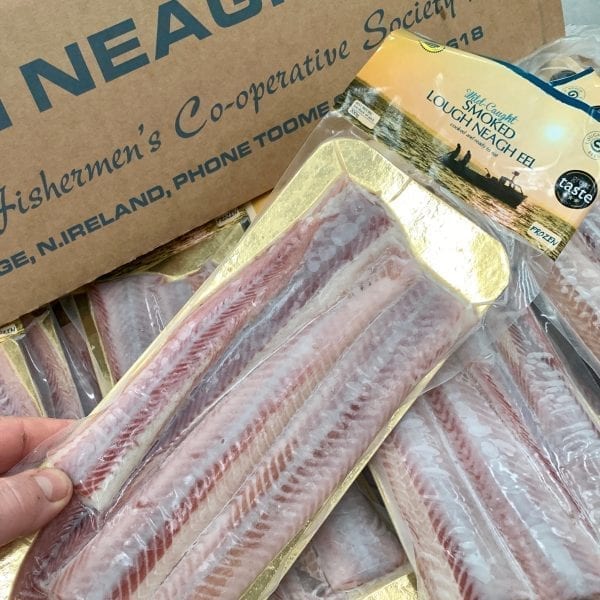
Next day we explored the mid Ulster region – First stop the Lough Neagh Fisherman’s Co-Op in Toomebridge, Co Antrim. Several fishermen were sorting their nets under the watchful eye of a flock of herons on the weir over the River Ban which runs through the 45 mile Lough Neagh. I’d particularly asked to visit this fishery.... we’ve been enjoying the tender Lough Neagh smoked eel at Ballymaloe for many years.


Both silver and brown eels thrive in the lough. They love dark and stormy nights before a new moon, the eels become restless and move down the river to start their epic 5,000 mile journey back to the Sargasso Sea, carried along on the Gulf stream. The fishermen wait in their flat bottomed boats, with their traditional cogull nets and hooks to harvest the fat charged eel, carrying on a tradition and passing on the skills that date back to the Mesolithic times

Cathy Chauhan and Pat Close showed us round the interpretive visitor centre and science room where school children learn about the intriguing history and life cycle of the eel.

Over 400 tons of Lough Neagh eel are caught and processed every year in line with careful conservation guidelines. A large part of the catch are shipped to Holland for smoking and to Billingsgate in London for the production of jellied eel. By the way fresh eel is my favourite fresh water fish, and that’s also available from the Lough Neagh Co-op.

Image result for pollan fish"
Lough Neagh pollan - which has a special European status. bbc.co.uk

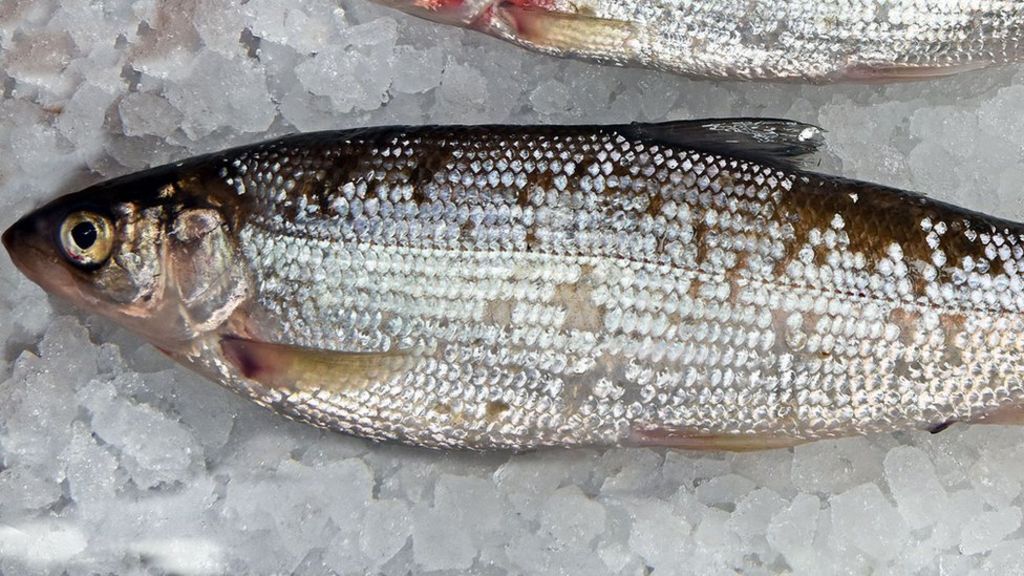
But what I didn’t know was that Lough Neagh is also home to many other species including dollaghan, a wild brown trout, perch, roach, bream, pike and pollan, an ancient fish species which dates back to the Ice Age and is unique to Ireland. I tasted it both fresh and smoked by North Coast Smokehouse and love it. 

Monday, 21 October 2019

In Praise of the (not-so) Humble Spud

Drat, I’ve just discovered that I missed National Potato day. It was on Friday 4th of October. Somehow it whizzed by without me registering but I really want to write a blog post extolling the virtues of my veggie hero - my top pick for a desert island staple.


Why do we insist on calling it the humble spud when for me it is the most versatile of all vegetables. It can be dressed up or down, boiled, fried, sautéed, mashed, pureed, roast, layered up in a gratin, served as a side or presented as the main attraction. Like on the menu at terroir-based café, Tartare in Galway.

Multi award winning chef JP McMahon served new season potatoes in sea herb butter on the dinner menu. The oval potatoes came in a viscous broth sprinkled with dillisk seaweed and fresh mint – an inspired contemporary celebration of freshly dug organic potatoes from Beech Lawn Organic Farm in Ballinasloe where JP gets many of his fresh organic vegetables.
A present of Skerry Champions, my favorite variety of heirloom potatoes from @dermot.carey @avocaireland to celebrate National Potato Day, 


This week, I spent a couple of days in Northern Ireland meeting artisan food producers and visiting some ‘off the beaten track’ tourist attractions. I was particularly intrigued by two enterprising women, Tracey Jeffrey from Tracey’s Farmhouse Kitchen and Bronagh Duffin at the Bakehouse in Bellaghy.

Tracey welcomes visitors and small groups who would like to learn the simple art of bread baking to her farmhouse. She made wheaten farls and fruit bannocks and taught us how to make fadge (potato bread) - a real taste of Ulster baking. I really wanted to learn how to make this traditional Ulster favourite. Turns out Tracey and Bronagh make it in quite different ways. . . . .

Tracey explained how potato bread was originally made as a way to use up leftover mashed potato. She kneaded the well-seasoned mash into some flour. Rolled it into a ¾ inch thick round and then cut it into 4 farls (quarters) these were originally cooked on a griddle over a turf fire but Tracey cooked them on an electric crepe pan (an ingenious idea), but of course, a dry frying pan also works perfectly. When they were speckled on both sides, Tracey slathered them with Abernethy’s dillisk butter churned down the road in Dromara, Co Down.

Bronagh had invited five children from the local St Mary’s Primary School, to her kitchen for a class. The smell of turf smoke from the fireplace filled the kitchen while the children mixed the warm mashed potato and flour in a bowl with a fine dollop of butter and a dash of milk. Some of these children had never even eaten this traditional dish before but were super excited to learn that they could use a variety of cutters to cut out fun shapes to cook on the pan or the griddle over the open fire.

I stayed at Ballyscullion Park, Richard and Rosalind Mullholland’s beautiful Regency house, now a favoured wedding destination amidst the gardens and parkland. George, son of the house, cooked us a delicious country house dinner, the starter of home-grown tomatoes, fennel and halloumi had a drizzle of truffle flavoured Burren balsamic on top – which added an extra delicious ‘je ne se quoi’ to the dish. A buttery potato gratin was served with slow cooked lamb, kale and runner beans.

A potato gratin is such a versatile dish, it can be a meal in itself or a just ‘pop into the oven’ accompaniment.

I’m particularly fond of Indian potato dishes too, a few spices elevate potato cakes to a new level. , try these . . . .

And who doesn’t love a smooth and silky potato soup? The children will love it too and it can be dressed up for a dinner party with a slick of scallion oil or watercress pesto.


Finally we need to talk about variety, there are ‘potatoes and potatoes’ but it is good to realise that if you are interested in flavour, the variety really matters. . . seek out traditional and old varieties, Golden Wonder, Kerrs Pink, Pink Fir Apple, Charlotte, Alouette, Carolus, Setanta. . . so much nourishment and flavour for just a few euros.

Monday, 14 October 2019

A Trip to West Clare


I just love to take short breaks in Ireland. Choose an area, spend a couple of nights in a local country house or B&B and explore.

Image result for the burren
Image: Ireland.com

This time it was West Clare, and boy is it all happening in West Clare! I steer well clear of the prime tourist spots, been there, done that a long time ago when they weren’t overrun with tourist buses and often truly shocking fast food. Is it really the case that bus tours only want that kind of food? I find that really hard to believe and wince at the damage to the reputation of Irish food. . . 


Image result for hugo’s deli lahinch


On the other hand there’s much to be excited about. In Lahinch we found Hugo’s Deli, a tiny bakery cum café, where Hugo Galloway, a brilliant young baker was turning out dark and crusty natural sourdough loaves, warm sausage rolls, focaccia and warm Portuguese custard tarts to die for. 


I can’t imagine how they do it in such a tiny space. Hugo is self-taught, learned by trial and error. The counter is made from recycled packing cases, a few wooden seats around the edges. A nonstop stream of cool young hipsters, surfers and grateful locals poured in for a ‘made to order’ focaccia sandwich that looks properly delicious, while I was sipping a double espresso and nibbling one of the best pastéis de nata (Portuguese custard tarts) I’ve ever eaten. That was it – a short menu of delicious things – bravo Hugo and team!

Image result for Moy Hill Community Farm

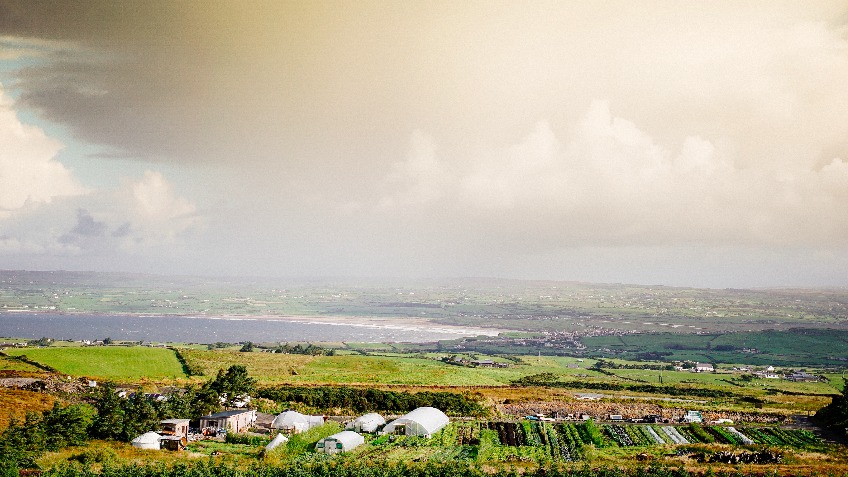
Another exciting discovery for me was Moy Hill Community Farm where Fergal and a whole group of friends and volunteers have developed an inspirational food producing project on 70 acres of mixed land, with 55 CSA’s / members, which supply 13 restaurants, and two Farmers Markets, Ennistymon and Kilrush and a REKO Ring in Ennis, on Wednesday 6:30 and 7:00 at 9 Lower Market Street, Clonroad Beg, customers meet producers and pay cash to collect their spanking fresh food. Another brilliant route to market where local farmers and food producers get paid full price for their produce rather than the circa 33% they would get through the ordinary retail system.

The energy and enthusiasm was palpable when we visited unannounced as preparations were being made for the Farm Gathering - three days of workshops, music, food, foraging farm tours, regenerative agriculture talks, crafts and dancing – a wonderful celebration on the Harvest Equinox.

Image result for moy house

Moy House, a Blue Book property overlooking Lahinch Bay also had a beautiful garden bursting with fresh produce grown by Sarah Noonan and her team Matt Strefford to use to make magic in the kitchen.


Image result for The Aloe Tree Health food shop

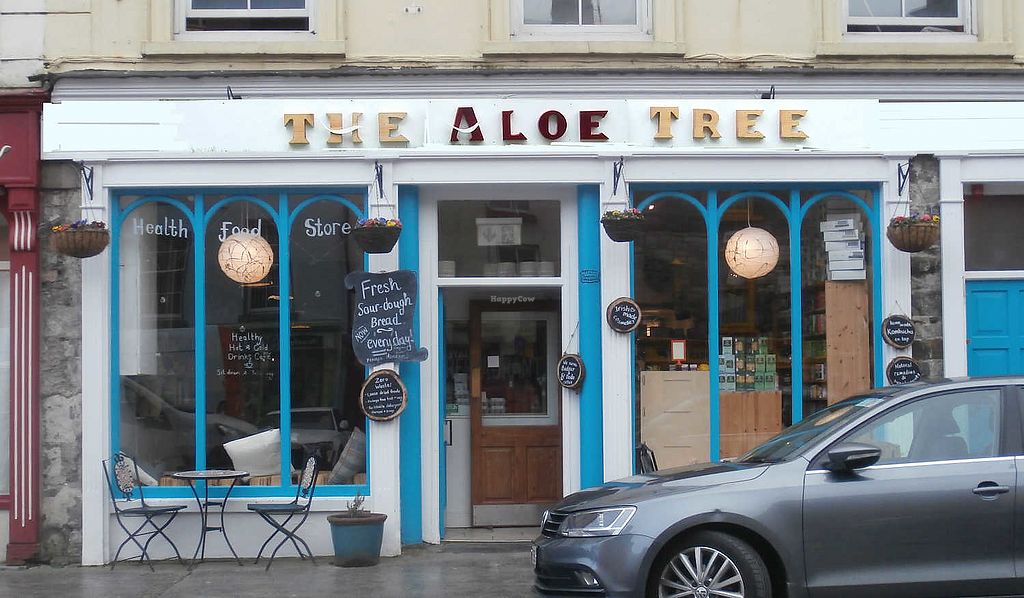
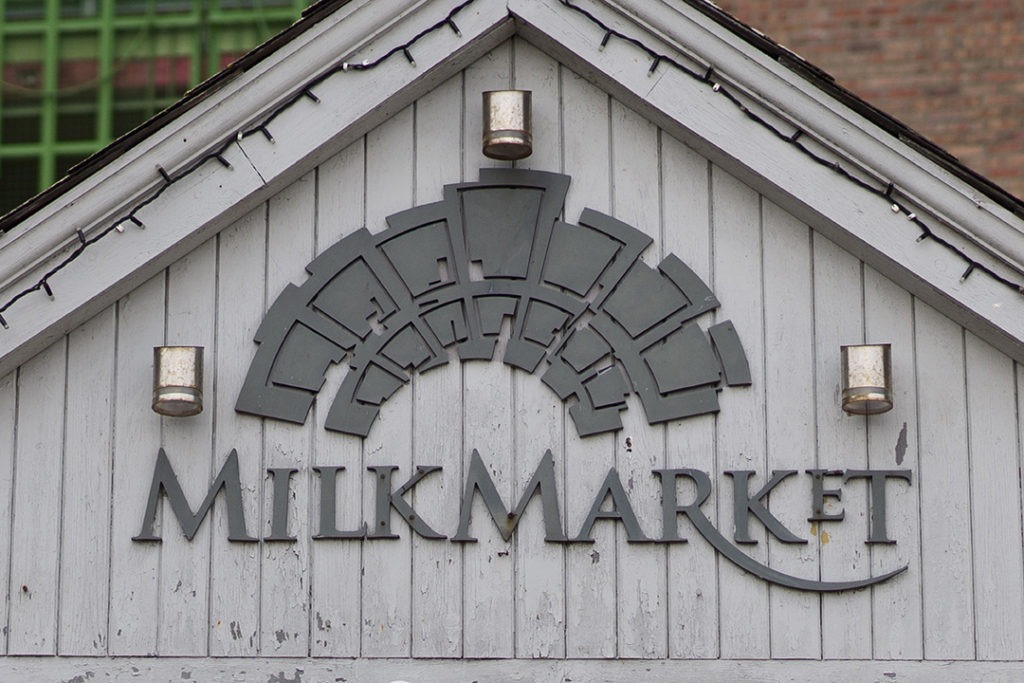
On the main street in Ennistymon you’ll find Niamh Fox, chef and owner of The Little Fox, a super cool spirited café serving the sort of fresh quirky creative plates that I’m happy to drive all the way to Clare for. We washed it down with thalli kombucha made by Avery Maguire a brilliant young forager whom you’ll occasionally find in The Aloe Tree health food shop on Main Street or on her stall at the Milk Market in Limerick on Saturdays. We were there for lunch but check out Little Fox delicious dinners and ‘pop ups’.

Bespoke handmade knife lovers, of which I am certainly one should link up with Niamh’s partner Sam Gleeson (also a furniture maker) to explore the options. While we are on the subject of handmade, just across the road under the stone arch you’ll find Eamon O’Sullivan who carves handmade spoons and will give his next course in Ballymaloe Cookery School on Saturday November 16th 2019, from 9.00am to 5.00pm, and the course includes lunch.

Image result for the cheese press
Image: The Irish Times

Just next door you’ll find The Cheese Press run by Sinead Ni Ghairbith where you’ll find among other temptations the superb St Tola goat cheese in its many variations made by her sister Siobhan Ni Ghairbith.


If you have a little more time to linger in Co Clare, drive across the Burren, treat yourself to a stay at lovely Gregan's Castle and enjoy Robert McAuley’s food. Swing by Flaggy Shore for some oysters, then on up to Hazel Mountain Chocolate, the most remote chocolatier in Europe - making chocolate from the bean to the bar and yet one more absolutely must do – check out where Julia’s Lobster Truck will be that evening (maybe Bell Harbour) – you absolutely mustn’t miss Julia Hemmingway’s barbequed lobster, lobster roll, steamed clams and mussels, traditional fish and chips and briny Flaggy Shore oysters.

Monday, 7 October 2019

Limerick Milk Market


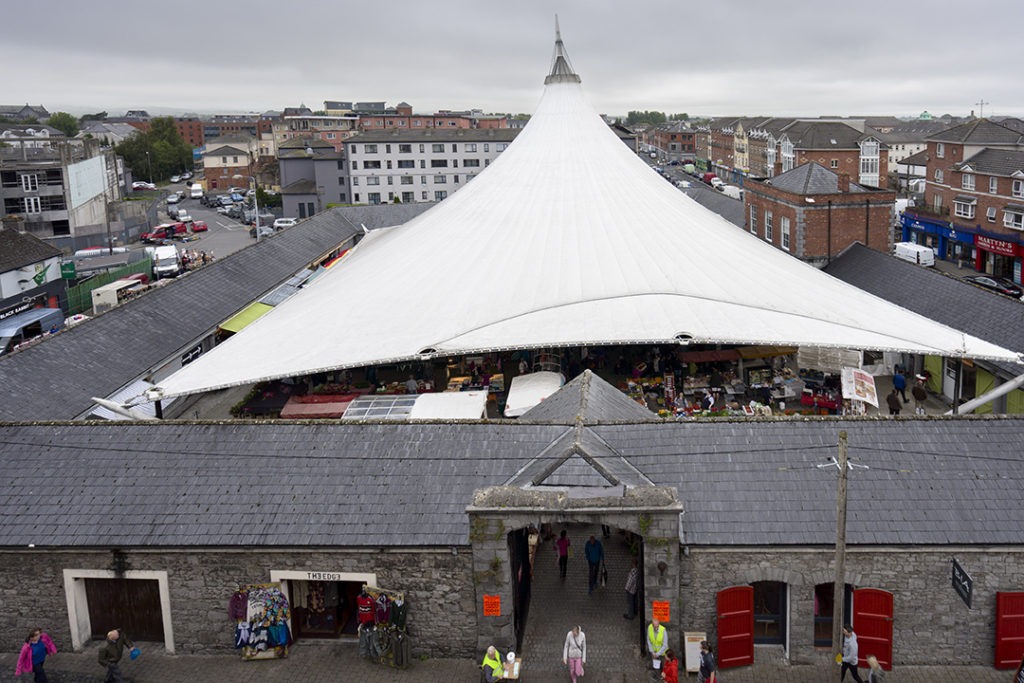
The Limerick Milk Market was buzzing on Saturday morning, throngs of eager customers on a mission to fill their shopping bags with goodies from the more than 70 stalls tucked into the market square, protected from the elements by an elegant canvas canopy.


I love the way every Farmers Market has its own vibe and unique collection of stall holders – yet the banter is the same, customers so grateful for the opportunity to buy beautiful artisan produce directly from local producers and what a choice. . . . 


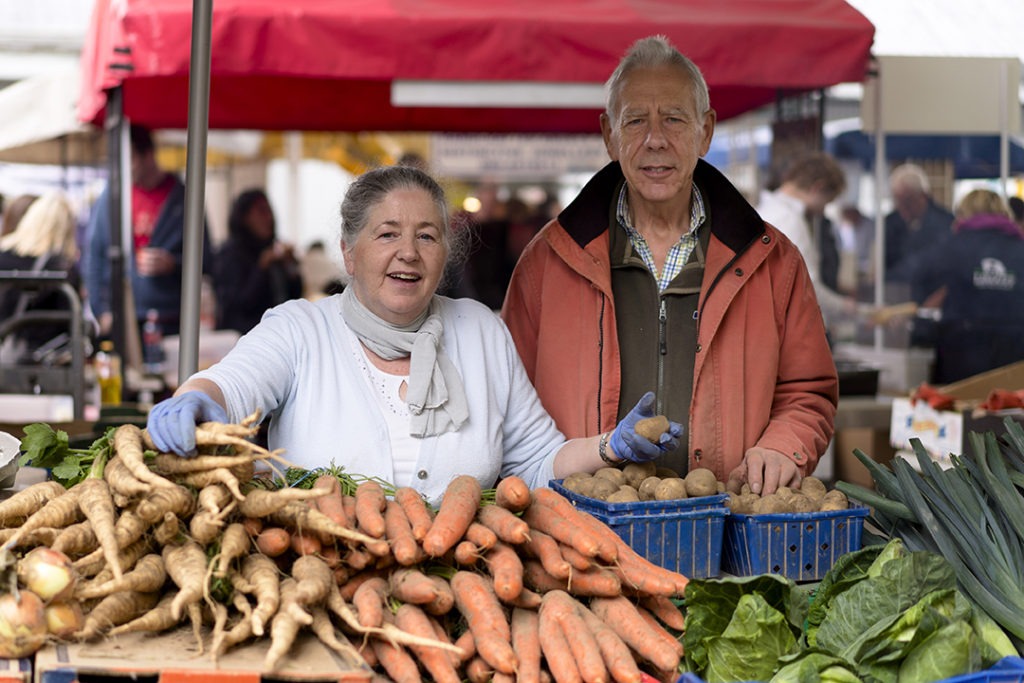
Mimi Crawford was all out of raw milk by 11 o’clock but still had just a few joints of her organic beef and pork and a couple of beautiful chickens from her regenerative farm in Cloughjordan in Co Tipperary. Delighted to find Oliver Beaujouan from Castlegregory with his brilliant selection of charcuterrie from happy outdoor Tamworth pigs “no vaccines, no GM or soy in the feed”. I also bought some dilisk and a delicious guanciale as well as the garlic salami. Sefik from Turkey was busy juicing fresh pomegranates and oranges and had a tantalising array of borek. 


Country Choice was humming and loaded with temptations. Round the corner, people were bonding in the long queue for the Country Choice toasted baps, sandwiches and rolls – well worth the wait. Peter and Mary Ward’s daughter Evie’s also award winning NutShed stall is close by, selling what many consider to be the very best nut butters available in Ireland.

The Sushi Truck was also doing a roaring trade, luscious cannoli across the way, artisan breads, tempting home baking, beautiful bunches of flowers, floury British Queens potatoes all the way from Wexford side by side with bric a brac. A tremendous selection of local homegrown vegetables and fruit. Crunchy Spiralaetos anyone? Tiermoyle honey with hazelnuts or walnuts.

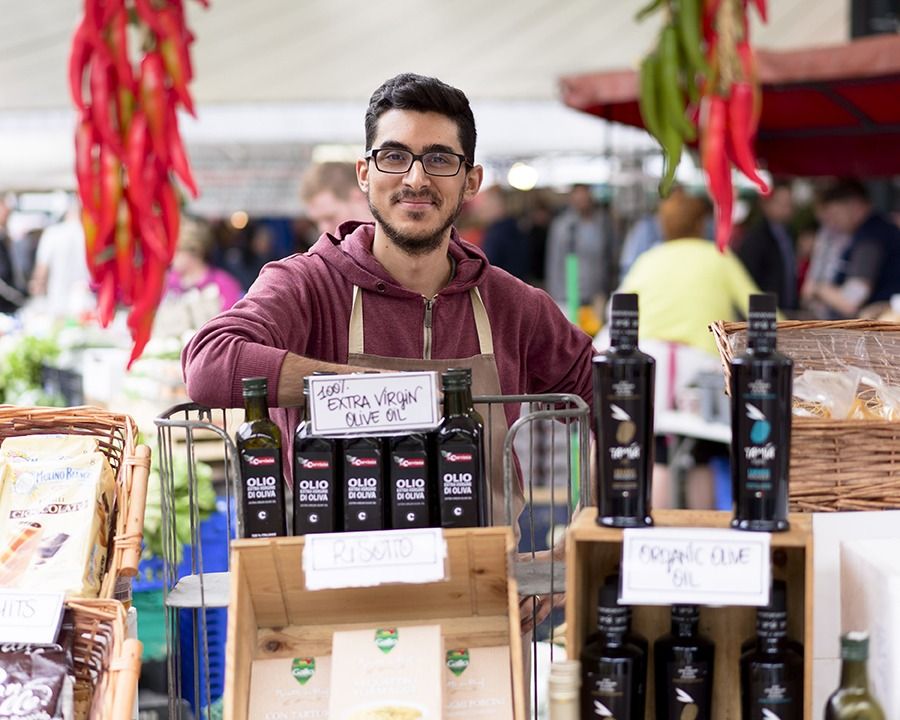
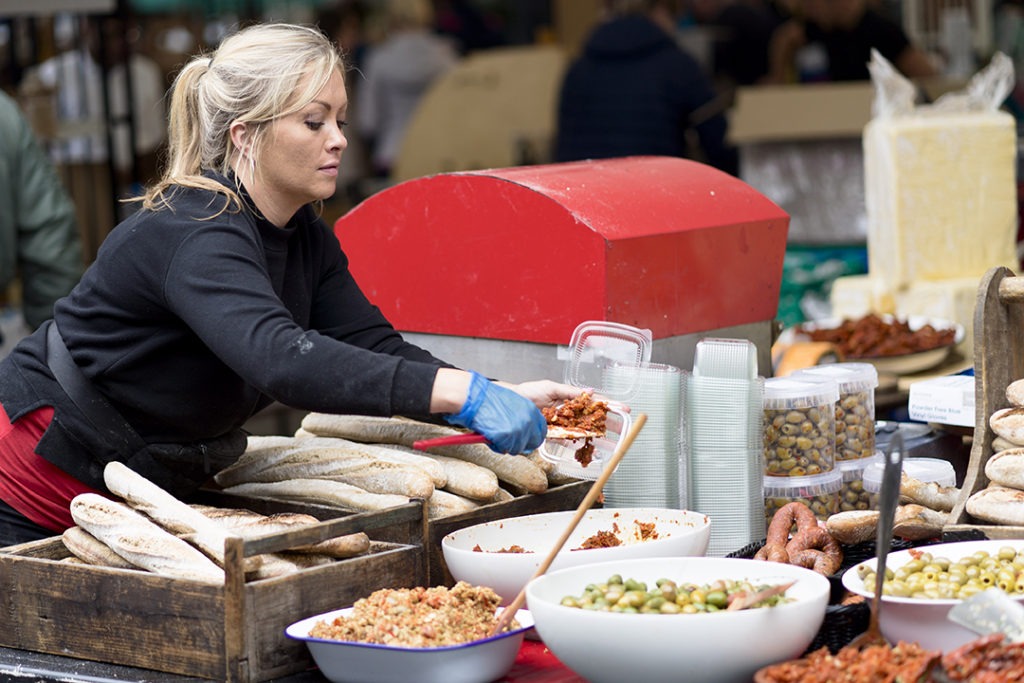
Upstairs, Ciara Brennan was all smiles on her Happy Food at Home stall with a selection of plant based, vegetarian and vegan salads. A mesmerizing selection of olives, Toonsbridge Buffalo Mozzarella and many other good things on the Olive Stall.


Round the side of Country Choice, I made another exciting discovery Foragers called Thalli foods was behind her hessian covered stall, with an intriguing selection of wild foods from land and seashore - fat rosehips, wood and sheeps tongue sorrel, sea blite, water pepper, yarrow, wild garlic pickles, fennel and sea blite kraut, elderflower vinegar . . .

There were many more stalls around the perimeter of the market, including pork and bacon from Cloncannon Bio Farm in Moneygall.  

Related image

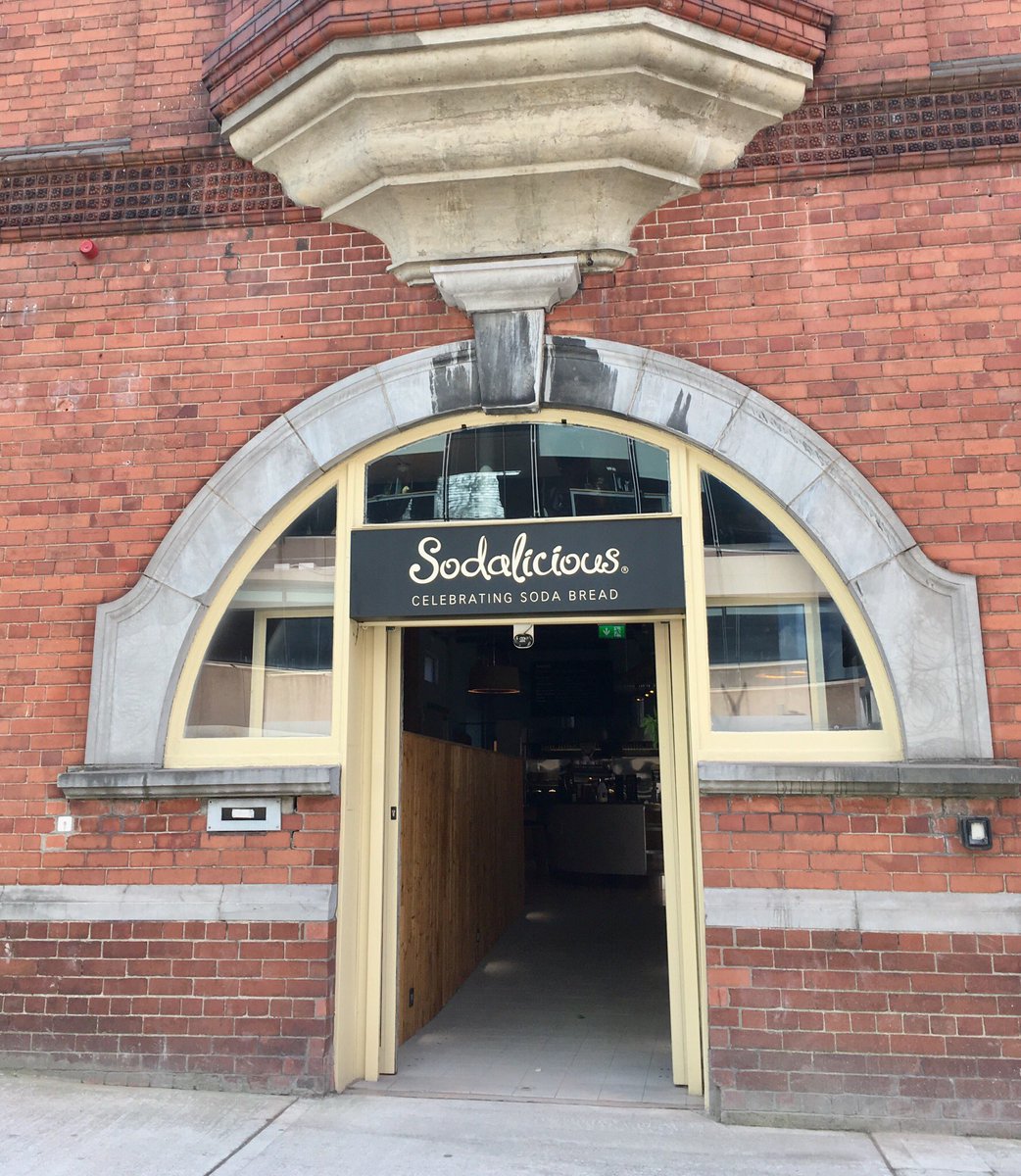
By then my bags were laden with many good things for a picnic but I really wanted to check out Sodalicious on Lower Cecil street owned by Ballymaloe alumni, Jane Conlan. An inspired concept where virtually everything on the menu is based on, or served with brown or white soda bread or scones in their many incarnations. Delicious food in a contemporary space, worth seeking out.. . .

Image result for Alexander Findlater & Co Food Hall

Alexander Findlater & Co Food Hall is another contact for your list. If you visit Limerick, find time to head to the Hunt Museum for their latest exhibition. Then back to Glin Castle, one of Ireland’s loveliest places to take a relaxing break.