Showing posts with label farming. Show all posts

Monday, 6 December 2021

The Most Important Day of the Year


World Soil Day falls on December the 6th this year.  For me it’s the most important day of the year – perhaps that sounds as if I’ve gone slightly dotty but it’s really good to remind ourselves that we are all totally dependent on the four or five inches of topsoil around the world for our very existence. Our health and over 90% of our food comes from the soil.  If we don’t have rich fertile soil we won’t have clean water or good food – think about it…!  Soil also plays a vital role in regulating the climate and supporting animal and plant biodiversity.
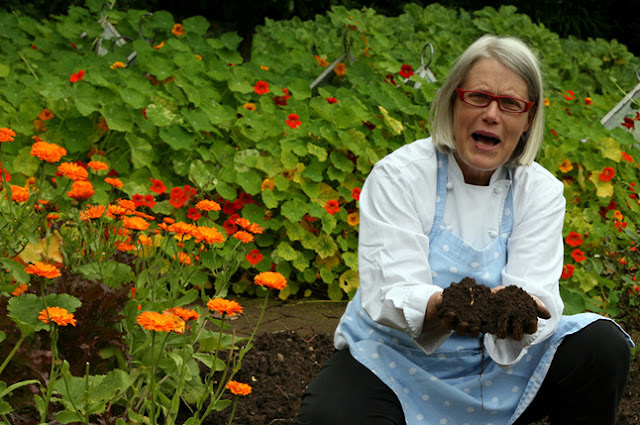
In the words of Lady Eve Balfour: “The health of soil, plant, animal and man is one and indivisible” and the ominous warning from Franklin D Roosevelt – 32nd President of USA that “The nation that destroys its soil, destroys itself” - how prophetic was that!

Here in Ireland, we have little reason to be complacent - only 10% of Irish soil is at optimum fertility.  According the Teagasc that means 90% of Irish soil is mineral deficient mainly as a consequence of overuse of artificial nitrogen, synthetic fertilisers, pesticides and herbicides which damage the soil and the earthworm population.

Soils are a limited natural resource; their formation occurs at an extremely slow pace.   At the very least, it takes 100 years to build an inch of topsoil but can in fact take 500 years or more.  Most current food production methods do not nurture the soil, instead they exploit it.  There is a growing realisation among the farming community that we can no longer continue with ‘business as usual’ for a myriad of reasons not least the diminishing nutrient content of our food.  The move by many farmers to regenerative farming as a means of improving soils, increasing biodiversity and mitigating climate change is to be welcomed. 

I’m intrigued by the soil.  Soil scientists confirm that there are more microbes, enzymes, protozoa and nematodes in a teaspoon of healthy soil than people on earth but there is so much, still to understand.  If I ‘come back again’, I want to be a soil scientist…  

As organic farmers, we are passionate about the soil.  We continue to build fertility by adding well-rotted farmyard manure, compost, humus, seaweed and even seashells.  Regular soil testing monitors progress.  We eagerly await the introduction of a spectrometer that can measure the nutrient density of food so farmers who produce more nutrient dense food can be paid properly for the extra nourishment their food provides.  That could surely be a game-changer.  It’s not difficult to calculate that someone along the food chain is losing out when a bunch of carrots which takes at least four months to grow from seed are sold for 46 cent.  Despite economies of scale, if this continues there will be no Irish vegetable growers within a few years – they simply cannot any longer continue to produce vegetables below an economic level.  In the words of one farmer ‘we would probably be paid more for stacking shelves in the supermarket’.  This can’t go on – check out the brilliant French initiative C’est qui le Patron (@cestquilepatron_ on Instagram) where the consumer gets the option to pay more having being told the story behind the production of that litre of milk, loaf of bread, carton of eggs…
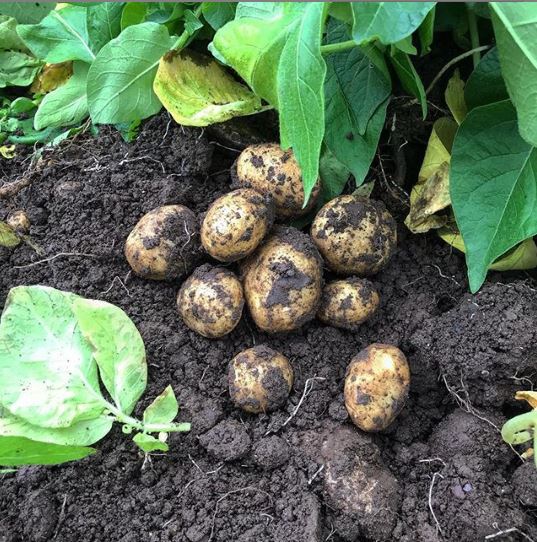

Delicious, nutrient dense, wholesome food that helps to build a strong immune system and boosts our antibodies comes from rich fertile soil not from labs and test kitchens.

Monday, 25 May 2020

Sustainability


Sustainability - what could be more timely? But for many of us the word sustainability is confusing and has many interpretations. A loose definition of sustainable agriculture might be - farming in sustainable ways which meet societies present food requirements without damaging the environment or compromising the ability for current or future generations to meet their needs.

The past few weeks have amongst many other things, given us a badly needed opportunity to press the Pause Button in our busy lives. I suppose it must be my imagination that Spring and early Summer 2020 was the most beautiful ever. The birds are singing their little hearts out to cheer us up…everything on the farm and in the gardens is green, vibrant and blossoming. Mother Nature seems to be compensating for our misery and despair and reminding us that, given half a chance, she will provide abundance for us. Even in this short time, changes in human behaviour have benefited the planet - quieter skies, clearer water, cleaner air, healthier nature, bird and insect populations increasing…

We can’t stay in ‘lockdown’ forever but we now know that we can make massive, rapid changes when we adapt the ways we work and live. When this terrible pandemic is over, we have a chance to change our behaviour to offer a secure future, and survivable temperatures to our children and grandchildren, and we MUST. For years now we have heard and largely ignored the scientists and climatologists predictions. We could scarcely comprehend the scale of the threat to the planet and future generations….even if we could absorb the seriousness of the situation, many felt helpless -  It was virtually impossible to believe that Governments and vested interests would ‘step up to the plate’ to implement the changes that needed to be made. Nothing but the Covid 19 enforced change could have achieved so much in such a short time. The pandemic should not have come as such a surprise, something of this magnitude was predicted over and over again, not least by Nostradamus, in Aboriginal Lore and by scientists, yet many Governments failed to listen and prepare.

As the planet became more and more polluted, causing almost irreversible climate change, extreme weather conditions - floods, tornados, cyclones, hurricanes… We were too distracted and growth obsessed at any price to notice. Food became increasingly less nourishing, compromising our health and immune systems so we are less and less able to survive the increasing number of viruses that are challenging our systems.


I know I’m like a broken record but surely it must now be beyond obvious that there is an urgent need to re-embed practical cooking and other life skills, including growing food into the national and secondary school curriculum.  No Irish child, boy or girl, must ever again be awarded a Leaving Certificate without being able to prove they can cook for themselves. Otherwise, we are undeniably, failing in our duty of care to our young people, as many helpless 20, 30 and 40 year olds have realised to their cost in the past couple of months.
So how do we practice sustainability in our everyday lives? Once we start to think that way there are a myriad of opportunities. We can make a huge contribution in the way we choose to spend our food euro. Think about each and every item we put into our shopping baskets – really focus on supporting local producers and small businesses as much as possible. Let’s ask ourselves a few basic questions -  Is it in season, does it’s production damage the environment, is it properly nourishing, are the producers being paid a fair price, how about animal welfare,  packaging….After all that am I buying more than I need? Let’s work towards zero waste in every aspect of our lives?

Start to grow some of our own food, even if it’s just a few salad leaves on a windowsill – you can’t imagine the joy and satisfaction…Realize that it’s worth paying a little more for chemical free food – after all it’s surely better to be proactive and invest in our food as medicine rather than paying for meds and food supplements - let’s be proactive. 

Tuesday, 12 May 2020

2020 - The Year of the Farm Girl

I’ve just seen the most hilarious little video on the internet, a tearful  'glamour girl’ in despair is talking straight to camera.  She’s suddenly realised that:
"Men are no longer going to be interested in the women with the fake nails because we don’t have them anymore, the eye lash extensions - we can’t get them, I’m gonna run out of make-up soon…Men are going to want a woman who can catch a chicken and take the feathers off of it, or gut a fish or churn some butter or bake a loaf of bread…Can’t do any of it....
2020 is your year Farm Girls, 2020 is for you – I don’t know what I’m going  to do…"

I’m not sure if it’s for real or a clever ‘send-up’ – it certainly has a ring of truth to it. 
Hasn’t this Covid-19 pandemic been quite the leveller, doesn’t matter how rich you are or how many houses you own in the Caribbean, your private jet is grounded, your house maid and cook can’t come to work.  You’ve got to figure out how to work the Hoover yourself and somehow produce 21 meals a week, a nightmare for many...
Academic skills alone aren’t much use in this situation and have left many of us woefully ill equipped to cope during this unexpected crisis which let’s face it was bound to come sooner or later unfortunately this is unlikely to be a once off... 
So let’s not waste the lessons we’ve learned from this crisis, vitally important to look at how we educate our young people.  Hopefully we’ll see practical cooking embedded in the national curriculum, when we reach the ‘new’ normal.


Meanwhile, it’s a question of survival. The penny has certainly dropped with many people that nourishing ourselves and our families must be a priority to boost our immune system and help to keep us strong and healthy.  How fortunate that this hugely challenging pandemic is happening in Spring when some at least can get out into the fresh air, sunlight and start to sow seeds to grow some of our own organic food.


A few tips…
Start the day with a glass of freshly squeezed orange juice (preferably organic, OK it’s more expensive but so are meds), it only takes a minute to make and is loaded with Vitamin C.
Porridge is unquestionably the best breakfast cereal, no need to buy any of those sugary cereals, here are a couple of simple recipes for you to make big jars of your own breakfast cereal.  Everyone seems to go on about how breakfast is the most important meal of the day but apparently that ‘fact’ was dreamed up by Kellogg’s when they first launched cornflakes in 1906. 
Many of us only feel like a cup of tea or coffee in the morning, particularly if one eats supper late in the evening.
Unless we are working physically, we seem to need far less food when we are on ‘lockdown’.  If at all possible, it’s good to eat early so one can get a little walk in before bed and hopefully sleep well.  Comforting, one-pot dishes served family-style are easy to make and save on the washing up – often a contentious issue….Good to eliminate as many potential squabble points as possible.

Finally, a couple of little thoughts that have a feel-good factor during Covid-19.
Get out of the house for a 30-minute walk, it’s a mood changer.
Dress your bed.
Put flowers on your kitchen table and beside your bed.
Count your blessings…
Light a candle…
It’s not the same lockdown for everyone…!


Here's to the Farm Girls!


Wednesday, 8 April 2020

How to Shop Local During Covid-19

Never was it more important to buy locally. Many Farmers Markets are temporarily closed but food producers are scrambling to find other ways to get fresh produce to their customers with whom they have built up warm relationships over the years.


Many are now selling from the farm gate and taking orders by phone and doing contactless, deliveries straight to the boot of your car.


Our Ballymaloe Cookery School Farm Shop in Shanagarry is open every day except Sunday. Order online or ring in your order – Contactless deliveries to the boot of your car if requested, Natural sourdough bread and other freshly baked breads, organic vegetables from the farm, Jersey yoghurt, buttermilk, homemade soups, stews, pies, pâtes, fermented foods, drinks and sweet treats…Telephone 021 4646785 or go online to farmshop.ballymaloecookeryschool.ie to order.


Dan and Anne Ahern are setting up a Farm Gate Shop on their farm close to Midleton to sell their rich organic Jersey milk, eggs and Mary Regan’s organic chickens. This is being run on a Saturday morning only from 9.00am to 12pm and the Eircode is P25 WP44, approx. 5kms from Midleton.


NeighbourFood is another brilliant source of local food with branches in Cork City, Douglas, Watergrasshill and Lisavaird. There will be a NeighbourFood branch at Ballymaloe Cookery School on Saturdays. Orders must be in by Thursday evening at midnight. Collection is 1.00pm – 3.00pm on Saturdays. Optional contactless delivery.


Monday, 7 October 2019

Limerick Milk Market


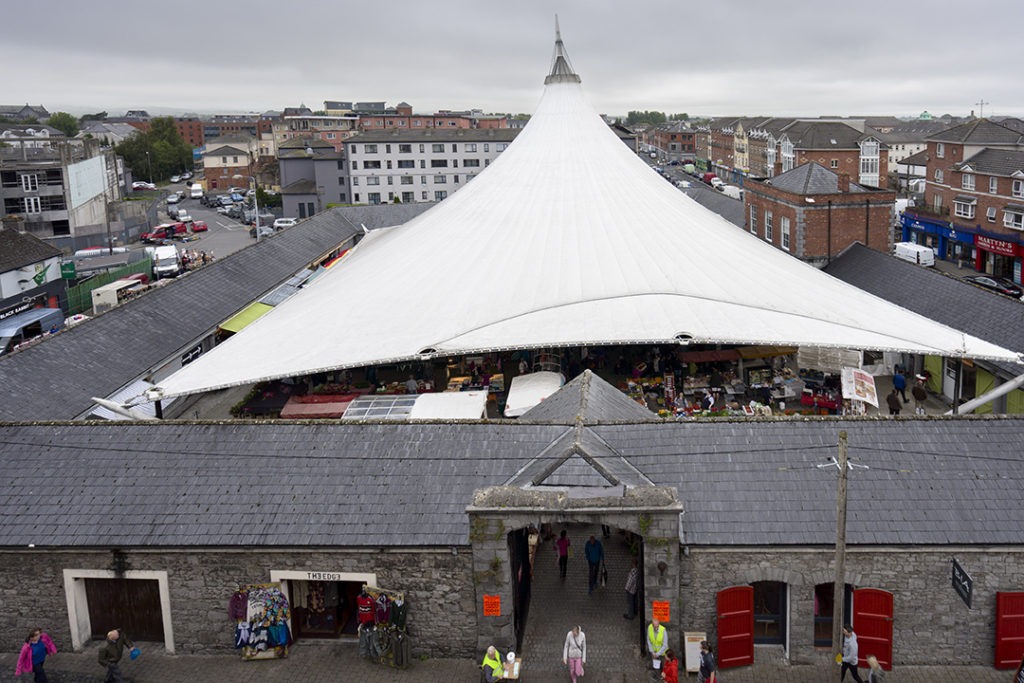
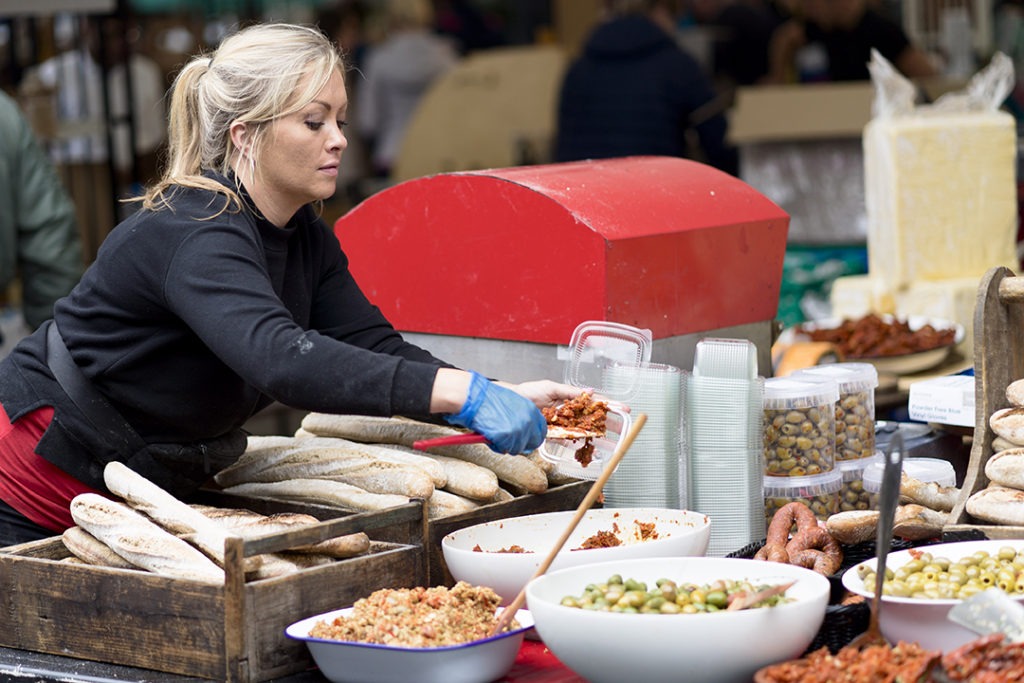
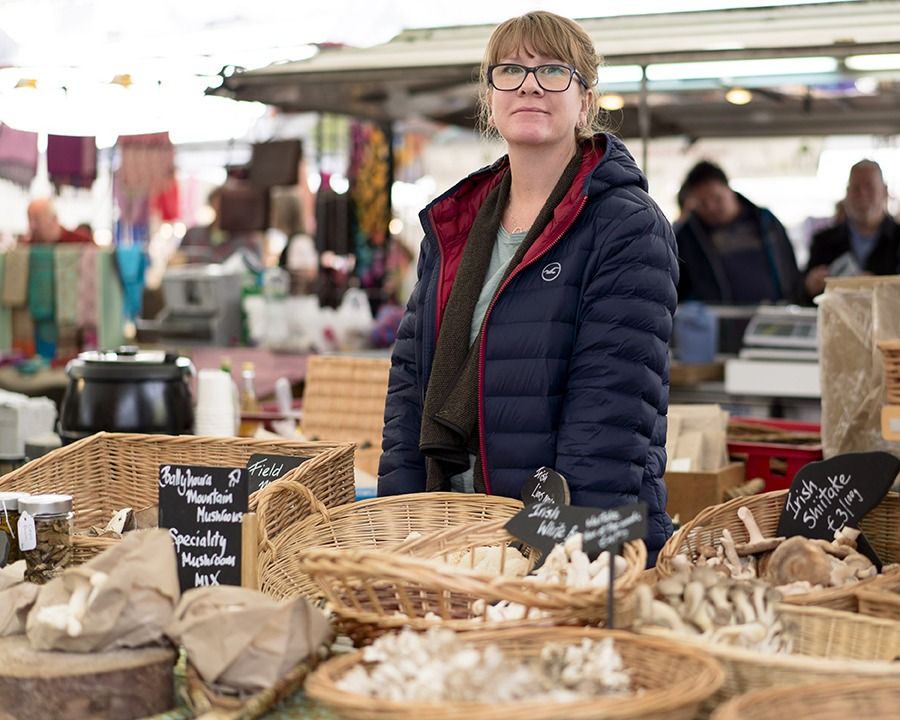
The Limerick Milk Market was buzzing on Saturday morning, throngs of eager customers on a mission to fill their shopping bags with goodies from the more than 70 stalls tucked into the market square, protected from the elements by an elegant canvas canopy.


I love the way every Farmers Market has its own vibe and unique collection of stall holders – yet the banter is the same, customers so grateful for the opportunity to buy beautiful artisan produce directly from local producers and what a choice. . . . 


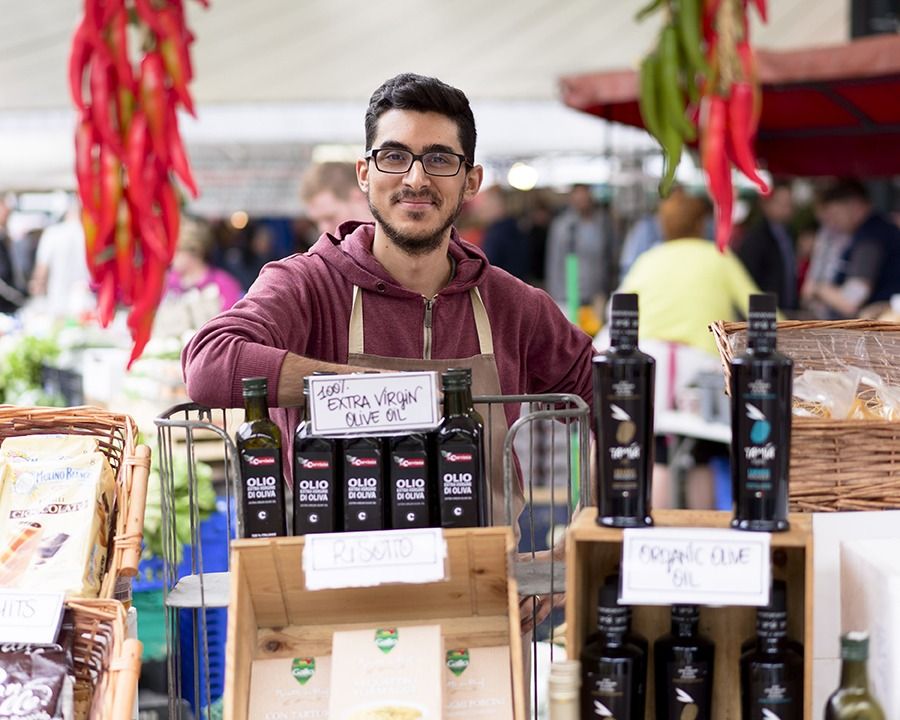
Mimi Crawford was all out of raw milk by 11 o’clock but still had just a few joints of her organic beef and pork and a couple of beautiful chickens from her regenerative farm in Cloughjordan in Co Tipperary. Delighted to find Oliver Beaujouan from Castlegregory with his brilliant selection of charcuterrie from happy outdoor Tamworth pigs “no vaccines, no GM or soy in the feed”. I also bought some dilisk and a delicious guanciale as well as the garlic salami. Sefik from Turkey was busy juicing fresh pomegranates and oranges and had a tantalising array of borek. 


Country Choice was humming and loaded with temptations. Round the corner, people were bonding in the long queue for the Country Choice toasted baps, sandwiches and rolls – well worth the wait. Peter and Mary Ward’s daughter Evie’s also award winning NutShed stall is close by, selling what many consider to be the very best nut butters available in Ireland.

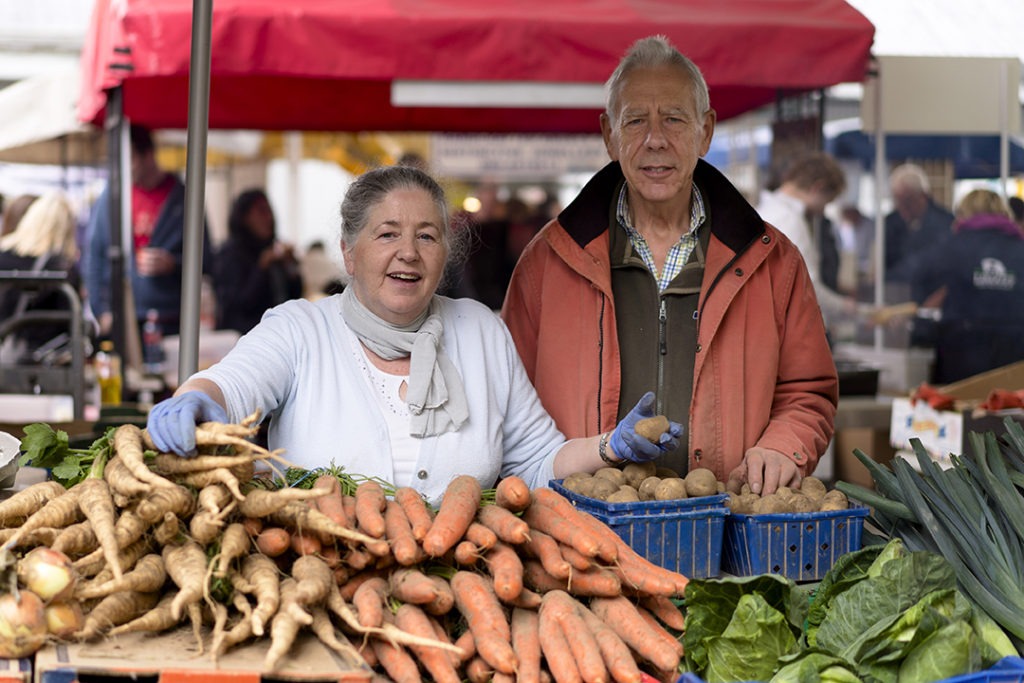
The Sushi Truck was also doing a roaring trade, luscious cannoli across the way, artisan breads, tempting home baking, beautiful bunches of flowers, floury British Queens potatoes all the way from Wexford side by side with bric a brac. A tremendous selection of local homegrown vegetables and fruit. Crunchy Spiralaetos anyone? Tiermoyle honey with hazelnuts or walnuts.

Upstairs, Ciara Brennan was all smiles on her Happy Food at Home stall with a selection of plant based, vegetarian and vegan salads. A mesmerizing selection of olives, Toonsbridge Buffalo Mozzarella and many other good things on the Olive Stall.


Round the side of Country Choice, I made another exciting discovery Foragers called Thalli foods was behind her hessian covered stall, with an intriguing selection of wild foods from land and seashore - fat rosehips, wood and sheeps tongue sorrel, sea blite, water pepper, yarrow, wild garlic pickles, fennel and sea blite kraut, elderflower vinegar . . .

There were many more stalls around the perimeter of the market, including pork and bacon from Cloncannon Bio Farm in Moneygall.  

Related image

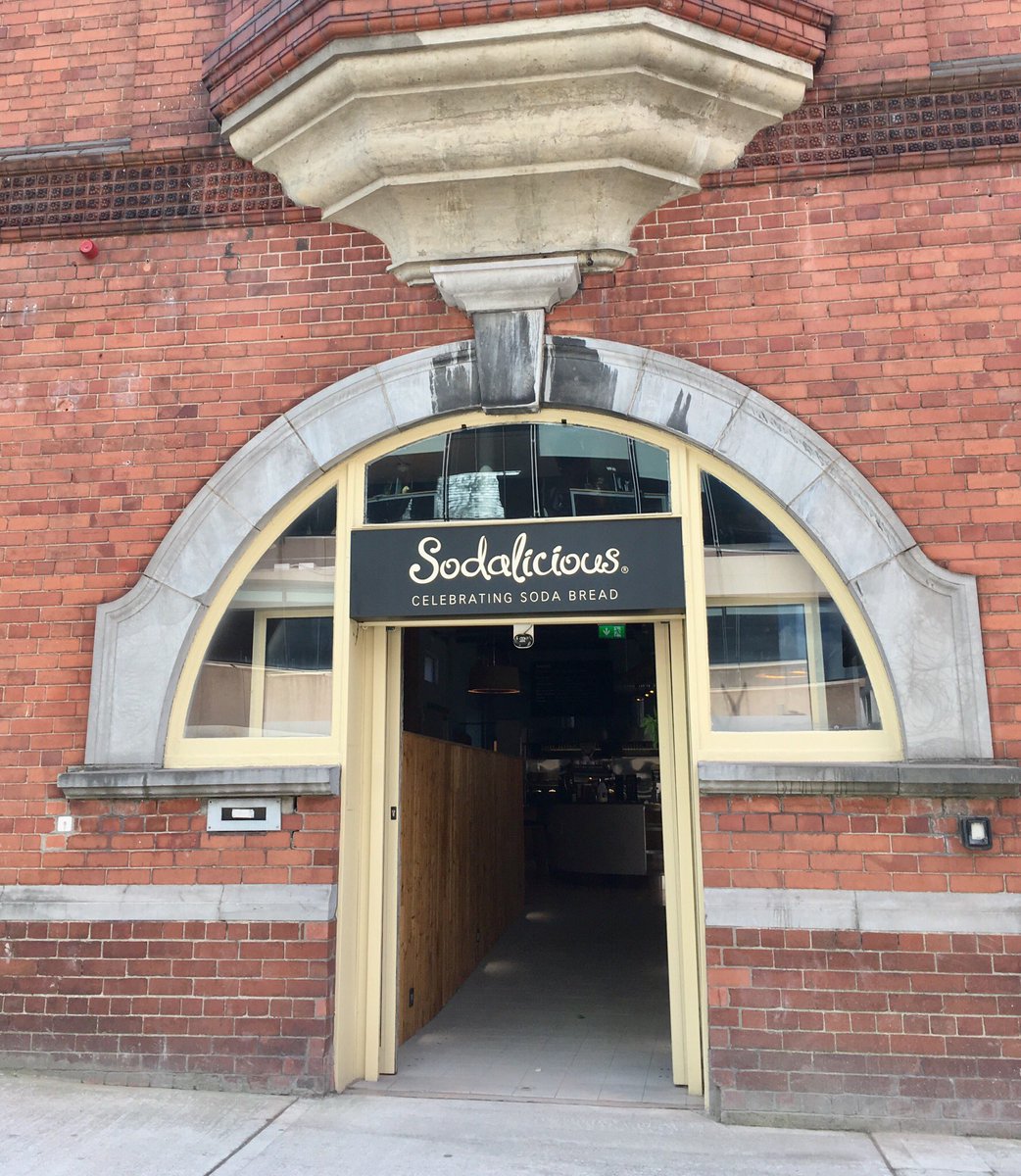
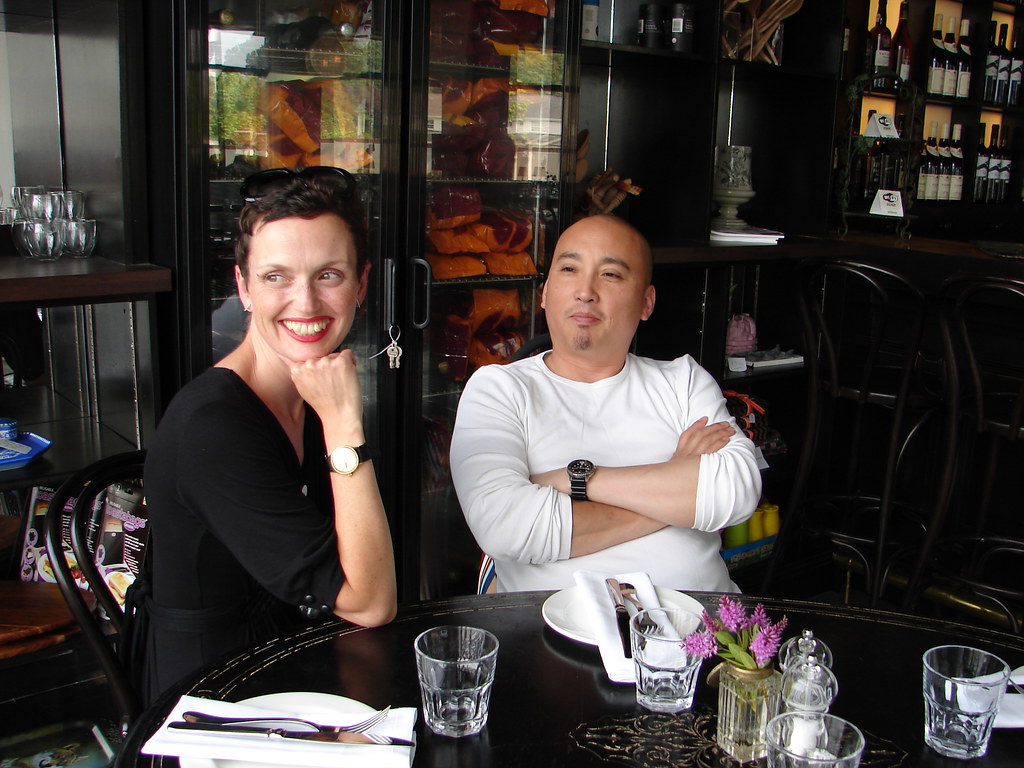
By then my bags were laden with many good things for a picnic but I really wanted to check out Sodalicious on Lower Cecil street owned by Ballymaloe alumni, Jane Conlan. An inspired concept where virtually everything on the menu is based on, or served with brown or white soda bread or scones in their many incarnations. Delicious food in a contemporary space, worth seeking out.. . .

Image result for Alexander Findlater & Co Food Hall

Alexander Findlater & Co Food Hall is another contact for your list. If you visit Limerick, find time to head to the Hunt Museum for their latest exhibition. Then back to Glin Castle, one of Ireland’s loveliest places to take a relaxing break.

Monday, 30 September 2019

A Grand Day Out in Ireland's Ancient East


The Irish Food Writers Guild, which I’m proud to be a member of, meet occasionally to do reconnaissance trips around the country. We visit artisan producers to see their process and hear their stories. Our most recent summer outing was to the Boyne Valley... and wow, what an action packed day we had!

First stop, Drummond House, where Marita and Peter Collier welcomed us warmly onto their farm outside Drogheda, they grow 5 varieties of garlic and several acres of green asparagus on their rich sandy soil. 


Drummond House

This enterprise, like Ballymakenny Farm in Baltray, was born out of desperation to find a different way to earn a living on the land and the family farms they all love. Marita and Peter told us the story of the roller coaster, voyage of trial and error they embarked on to source varieties of garlic to suit their land and the Irish climate. Six years later, through sheer hard work and help from Marita’s friends at the Termonfeckin National School gate, who initially volunteered to help with packing the garlic in their spare time. They now have a thriving business and have introduced the Irish market to a wide variety of garlic types and garlic scapes (tender shoots) which I’ve hitherto only seen in my own garden or in the Union Square Market in Manhattan. 

Marita and Peter, like Maria and David Flynn of Ballymakenny Farm had high praise for the chefs who encouraged and supported them initially and continue to do so. Drummond House garlic is now widely available around the country.


Ballymakenny Farm also needed to add value to their produce, so Maria who has a business background decided to trial some unusual potato varieties, much to the amusement and scepticism of their neighbours and friends. They now grow six heirloom varieties, Violetta, Red Emmalie, Mayan Rose, Mayan Twilight, Mayan Gold and waxy Pink Fir Apple plus beautiful crops of long stem broccoli. The chefs go crazy for the deep purple Violetta, the mottled pink varieties and the fingerling potatoes, Ballymakenny can scarcely keep up with the demand. It was a extra special treat to meet David’s parents who were commercial potato growers in the past...


Our next stop was Listoke Gin Distillery and School. Bronagh Conlan gave us a spirited talk on gin production and the wide range of botanicals that can be added to the raw spirit to give it a unique flavour. Visitors can make their own unique blend at the gin school in the individual copper stills around the edge of the room. At the end of their visit, they take home their very own bespoke bottle of gin, a unique and hugely sought after visitor experience for corporate events too. Loved the psychedelic owl street art which has become the Listoke Distillery logo created by Dean Kane of visual waste.

Image result for Listoke Gin Distillery

Just a few miles to Tankardstown House where the young Romanian head chef Janos Sarkosi cooked us a seven course feast to showcase his considerable skills... Such a lovely place, no wonder it is also a favourite venue for weddings...

Image result for tankardstown house

No time to dawdle, still lots more to see... Next stop, The Cider Mill at Stackallan, near Slane in Co. Meath. 


P1070215

I’ve been a fan of Mark Jenkinson for several years now; he is a complete purist, grows a variety of cider apples in his own orchards, gently presses them in small batches in the time honored, traditional way between timber slabs. He makes five different styles of cider including his famous Cockagee, named after an ancient cider apple variety that was thought to be extinct for over 125 years. . . Mark managed to trace it to an old orchard in Gloucestershire and has now recovered and saved it for posterity. Cider is the wine of our land and there has been a rich tradition of cider making in the Boyne Valley for hundreds of years.

Image result for the cider mill slane

Mark is the only Irish cider producer to make keeved cider, a slow natural, painstaking process which results in a superb cider. His tasting room which also houses his eclectic collection of vernacular chairs, hardening stands and artefacts is worth the trip alone.


Image result for Boyne Valley Bán

Carina Mount Charles brought along her organic eggs and salad leaves and nearby farmhouse cheese maker Michael Finnegan from Mullagh Farm delivered over his Boyne Valley Bán and Blue goat cheeses for us to taste...a new find for me.

Image result for Slane Castle distillery

And there was still more! A whistle-stop tour of Slane Castle Distillery where Henry Mount Charles and his son Alex have converted the stable yard into a highly impressive distillery in partnerships with Brown Forman (makers of Jack Daniels).

Related image

After an excellent tour and tasting we sped down the road to Boann Distillery where Peter Cooney had cans of several versions of gin in a tin for us to taste. This super exciting innovative company in the heart of the Boyne Valley brews beer, non-alcoholic drinks, whiskey and cider from apples grown in their own orchards in Tara. The Boann Distillery, named for Boann the Irish Godess of the Boyne, is housed in an amazing building repurposed from a car showroom. Book a tour and tasting if you are in the area.

Image result for eastern seaboard bar and grill

Finally we had supper at the Eastern Seaboard Bar and Grill, Jeni and Reuvans Diaz’s award winning restaurant in Bryanstown. Seek out this place in the suburbs of Drogheda, its super innovative food is made with many of the superb local ingredients.

Who knew the magic that awaits in an area that has been hitherto been regarded as a mere corridor between Dublin and Belfast? It was an eye opener to discover so many artisan food and drink producers flourishing in this historic area... Well, take my advice and take time out to explore this intriguing part of Ireland’s Ancient East....


Monday, 2 September 2019

Climate Change: What's Good to Eat?

I’m increasingly dismayed by the often ill-informed and self-righteous debate on climate change. For many "Stop eating meat" is considered to be the solution to all our planetary and climate change ills. Farmers of all persuasions are being ‘tarred with the same brush’ and vilified. . .

Some farming methods certainly need to be reviewed and there is a growing consensus that business as usual is no longer an option particularly for very intensive pig and poultry units which despite economies of scale rarely even yield a decent income for the farmers themselves, many of whom feel trapped in the system, fuelled by our assumption that cheap food at any cost is our right!

If you ask most young people what we should eat to be sustainable and healthy, their immediate and well intentioned response will be,  Go vegan or vegetarian. They are convinced by the argument that meat, particularly red meat is bad for us and damaging to the environment. However, there is a world of difference, both in health terms and in environmental terms in meat from pasture reared livestock and intensively reared animals from feedlot systems. Cattle are crucially important to a sustainable agricultural system; it is worth noting that worldwide, approx. 80% of the land that cattle graze on cannot be used for tillage or other forms of agriculture.


It is also important to understand that cattle, other animals and poultry build soil fertility. A crucially important factor at a time when the UN warns us that there are less than 60 harvests left in many intensively farmed soils.

In Ireland we are favoured by nature, with optimum conditions to produce superb food. Many farmers desperately want to be a part of the solution to global warming. They urgently need wise advice, training and support to embark on regenerative agriculture that encourages continual innovation and improvement of environmental, social and economic measures. The primary priority in regenerative organic agriculture is soil health. Vitally important when one realises that our health comes directly from the soil.


For optimum health enjoy a little of all the bounty of nature. . .  Eat vegetables, herbs and foraged foods in season and seek out humanely reared meat with a nice covering of juicy fat so important for our health, include some beautiful wild fish when you can get it fresh, an increasingly difficult challenge.

This week, let’s show support for our farmers who work 24/7 to produce nourishing meat for us to enjoy. Buy from your local butcher preferably one with their own abattoir who knows the source of the meat and buys directly from local farmers or the local mart. Let’s eat a little less but seek out pasture raised meat, from native breeds.

If you are confused about what to eat for optimum health start by cutting all processed and fake food out of your diet, just eat real food in season. . . One could do worse than listen to the sage advice of the Weston A. Price foundation www.westonaprice.org and wise tradition podcasts https://www.westonaprice.org/podcast/ - Some are literally life changing.

The reality is, nutrient dense sustainable food can be more expensive to produce. As tax payers we all contribute to a farm support system.

Our taxes help to fund the health service, clean up the environment. . .  I strongly believe that politicians urgently need to be courageous and  move the support to more sustainable forms of food production which I believe will help to reduce climate change and benefit our health, a win, win situation all the way.

Monday, 26 August 2019

Kids Love to Cook

Kids just love to cook and learn about how their food is grown and produced. We coordinated a few Summer Camps and Kids Farm Walks here on the farm over the past few weeks, such excitement…
Ballymaloe Cookery School Kids Farm Walk | Ring Of Cork | www.ringofcork,ie
 The children got fully immersed in the activities of the organic farm. They ran off to collect the freshly laid eggs from the nests in the hen house, and jostled each other to feed the Jersey calves. They loved watching the free range Duroc/Tamworth pigs snuffling in the ground for roots and grubs to keep them healthy - squeals of joy as the pigs ran over the fence. They fed them the end of a crop of spinach and some sweetcorn that had bolted in the greenhouses.
They also loved sowing seeds and harvesting the produce. In the herb garden, they smelled and tasted fresh herbs, rubbed mint, lemon balm and lemon verbena between their fingers, tasted them and guessed what the flavours would be good with. They giggled and marvelled at the sharp lemony flavour of buckler leaf sorrel and learned how to pick tomatoes with the calyx still on. Ate green beans off the plant, picked cobs of sweetcorn and ripe berries from the strawberry patch. Each of these activities plus listening to the bird song and watching bees collecting nectar from the flowers are a beautiful educational activity.
One of the highlights was watching Maria our ‘dairy queen’ milking the cows in our micro dairy. They saw the milk being separated and then each got a jar of cream to make into butter. They shook the jam jars as they danced to the sound of disco music and hey presto – butter to spread on the scones they made in the kitchen.
They discovered  that many weeds are edible and full of mighty minerals and vitamins and magic trace elements to keep them bouncing with energy. They raced into the blueberries cage to pick the juicy fruit to pop into drop scones.
They made their pizza dough and tomato sauce and let it rise while they collected fallen timber to light a camp fire.

On the last day they set up a Kids Café in the garden so parents could join them to enjoy the delicious food from their mornings cooking in the kitchen, and how they love cooking! It’s astonishing what even quite small children can learn how to do. They can make pasta, bake bread, jam, salads, sauces, both sweet and savoury dishes, juice fruit for homemade lemonade, make popsicles, and feed the scraps left over from their cooking to the grateful hens before they headed home with a little goodie bag of their very own homemade food. 
Teaching kids how to cook is giving them a gift for life – equipping them with the practical skills to feed themselves healthy wholesome food and they love it!

Monday, 24 June 2019

Coombeshead Farm - a farm to fork guest house

A few weeks ago we flew from Cork Airport to Bristol, hired a car and headed for Devon and Cornwall. I’d forgotten how beautiful the English countryside can be, the abundance of wildflowers in the hedgerows and so many beautiful mature trees.  One can’t but draw comparison to our Irish countryside, so often denuded of hedgerows and with so few mature trees.  Of course it depends on the area in both countries but I’m becoming ever more alarmed at the wanton disregard for the environment.
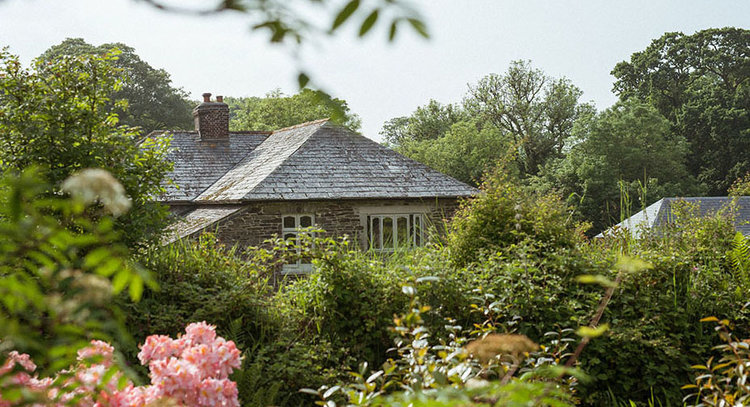
We had booked a few nights stay at Coombeshead Farm near Lewannick in Cornwall, a ‘farm to fork’, guest house with just five bedrooms owned by chefs Tom Adams and his partner April Bloomfield. 
20.jpg
Image: https://www.coombesheadfarm.co.uk/gallery
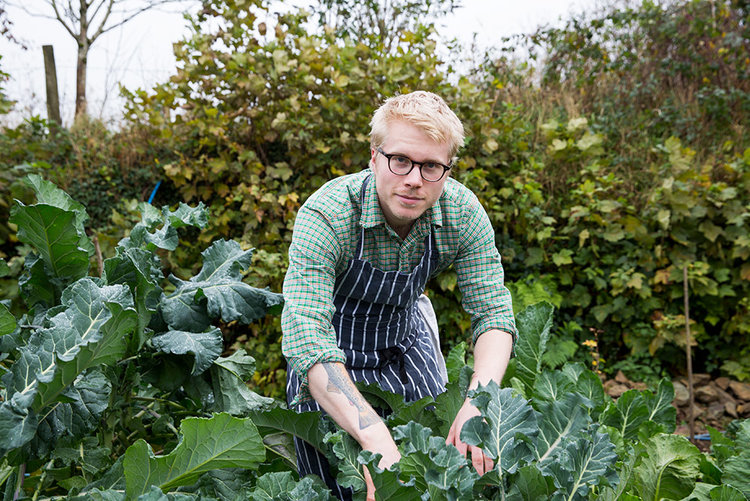
We arrived tired and hungry and felt instantly at home. The bedrooms are small by most hotel standards but charmingly decorated with a homemade soap made from the lard of their own pigs, a little decanter of mint vodka to sip and two pieces of homemade toffee to share or argue over. The house is surrounded by organic gardens in a working farm with vegetable and herb gardens and a flock of heritage chickens.
The farmhouse is in the midst of 66 acres of woodlands and meadows grazed by sheep, there are beehives and a wood burning oven and a fire pit. Curly haired Mangalitsa pigs romping and rooting around the fields underneath the oak spinney behind the house. The bread is made in the ‘state of the art’ bakery in the barn by Ben Glazer, beautiful dark crusty loaves of natural sour dough that also make their way to some of the top restaurants in London.
Joe Woodhouse_96474.jpg
Image: https://www.coombesheadfarm.co.uk/gallery

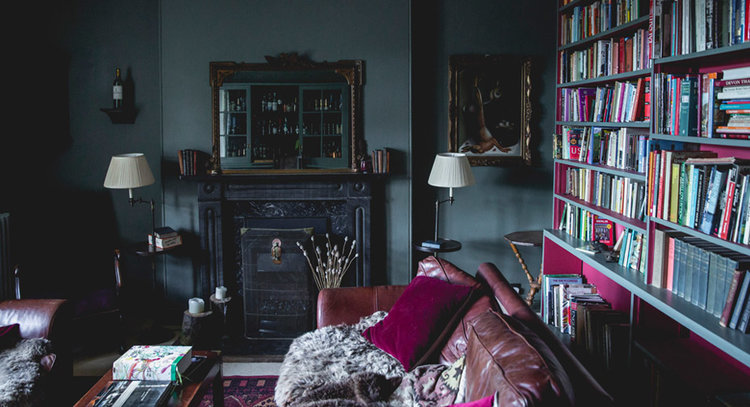
The food is super delicious, we stayed for three nights and looked forward to each and every meal with eager anticipation. The atmosphere feels like a house party, comfy sofas, crackling fires - guests tend to congregate in the kitchen around the stove. 
21.jpg
Image: https://www.coombesheadfarm.co.uk/gallery
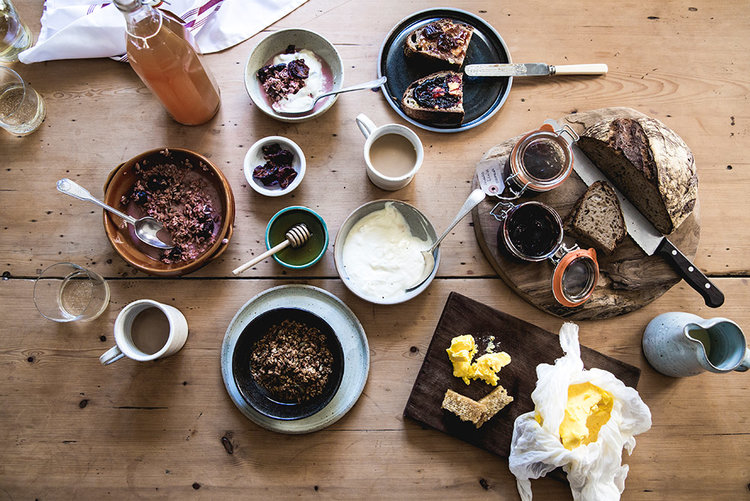
Breakfast each day was a simple feast, dark crusty sourdough bread with homemade Guernsey butter, compote of seasonal fruit - rhubarb, apple, gooseberry with elderflower, raw honey, homemade jams, granola, bircher muesli, gut boosting water kefir, kombucha and gorgeous unctuous yoghurt. A most fantastic slab of fine home cured streaky bacon and homemade sausages from the happy rare breed Mangalitsa pigs with a soft flowing scramble of their own eggs.
7.jpg
Image: https://www.coombesheadfarm.co.uk/gallery
Lots of pickling, fermenting, curing and preserving. Small plates of creative, flavourful real food. No silly foams, gels or skid marks on plates.
Here these young people are really ‘walking the walk’, not just ‘talking the talk’ as so many places do, skilled, accomplished earthy organic food, locally sourced and seasonal.
9.jpg
Image: https://www.coombesheadfarm.co.uk/gallery
The menus sang of the season and the produce picked at its peak from the vegetable garden and hedgerows - zero miles food. I’m licking my lips remembering some of the flavours still so vibrantly fresh in my mind: Country loaf and Guernsey butter, new season's asparagus wrapped in crispy filo parcel, garlic scapes and Jack of the Hedge, pickled ramson and cabbage terrine, curds and nettle, Mangalitsa loin and turnip, hazelnut tart with fresh cream… you’ll just have to go there yourself to experience the magic!


Monday, 29 April 2019

Meat-Free Mondays

Big fuss on Prime Time recently when An Taisce’s Green Schools Programme with support from the National Climate Change Action and Awareness Programme recommended that schools implement ‘Meatless Mondays’ and encourage children to eat less meat and dairy. The IFA were up in arms and the ensuing debate only served to confuse viewers even further.

So what to do…? There’s no denying climate change, it’s a blatantly obvious reality in all our lives and each and every one of us has a responsibility to play our part to mitigate it in our own little way. Cooks and chefs can combat climate change by actively sourcing their product from farmers and food producers who farm sustainably in harmony with nature and by working towards a zero waste policy. The same principals apply to the rest of us, but back to the furore. The farming community overall are responding positively to the challenge and are doing their best to move to more sustainable farming systems but meanwhile there’s nothing to be gained from ‘shooting the messenger’. Best to concentrate on producing the very best meat and dairy products, delicious, nutrient dense food that consumers can truly trust: grass-fed, chemical-free and free from residues of antibiotics. I’m often asked what exactly is the definition of grass-fed? Difficult to get an answer…
Nonetheless, whether we like it or not it’s time to accept that reduced meat consumption is a trend that is definitely here to stay. Note that multi millions of dollars are being invested in the meat substitute industry. That is not going to change anytime soon so let’s put our efforts here in Ireland into producing REAL quality not quantity and charge enough for it. One can of course be super healthy on a vegetarian diet provided one can source nutrient dense organic vegetables and grains.
I myself am, what’s nowadays termed as a flexitarian and a very happy one at that. I love vegetarian dishes and also eat lots of ‘accidently vegan’ food but love good meat, poultry and fish. However I’m super careful about the quality of the meat and fish I eat. I go to considerable lengths to source organic, free range chicken – considerably more expensive but cheaper in the end because I can get six meals from one plump chicken and a fine pot of broth which in itself is ‘super food’. I also try to find lamb from a local butcher who can find a sheep farmer who finishes his lambs on grass rather than concentrates, the difference in the sweetness of the meat is palpable.
I search for beef from our native breeds, Hereford, Aberdeen Angus, Poll Angus, Shorthorn, Dexter or Moilie. I’m looking for a rich beefy flavor when I enjoy a small steak, a stew and indeed the crucially important offal or organ meats as they are referred to by the excellent Weston A. Price Foundation, whose Wise Traditions podcasts and guidelines for optimum nutrition are worth checking out. 
However, it’s really important to remember our farmers who labour day in day to produce the food that nourishes us… Many are having a really tough time at present, struggling to meet the challenges coming from all directions – the uncertainty caused by Brexit, rising production costs coupled with lower and lower prices at farm gate as the supermarkets force the prices ever lower to provide their customers with cheaper and cheaper food.
We urgently need ‘true cost accountancy’ so consumers understand that cheap food is a myth in health terms and socioeconomic terms. As tax payers we pay many times over to provide subsidies to support what are in many instances unsustainable systems, to clean up the environment, and our rivers and lakes and to fund the health service.
So the real price of the item is invariably 4 or 5 times the price on the shelf. The biggest threat to our health and food security is the low price of food at the farm gate. Farmers, particularly small farmers, are leaving the land in droves all over the world, sad and disheartened because they simply cannot produce the nourishing wholesome food, we say we want for the price they are being paid for it. We are sleepwalking into a gargantuan crisis. The non-farming communities  are generally unaware that farmers are fortunate to get 1/3 of the retail price and lucky to be paid months later. What other section is expected to sell their product or services below an economic level and survive?
I happen to believe that dairy products and good meat and fish are vitally important elements in our children’s diets and am a great fan of butter and organic raw milk from a small dairy herd. It’s interesting to note that the demand for raw milk is growing steadily as people become aware of its extra nutritional elements and flavour. Despite the perception, it is not illegal to sell raw milk in Ireland, it is available at several Farmers Markets and small shops. Check out Mahon Point Farmers Market, Midleton Farmers Market and Neighbourfood to name a few…

Tuesday, 13 May 2014

Butter is Back!

When I did my Simply Delicious TV series in the 1980s and '90s,  I used to get regular letters berating me for using butter and cream in my recipes. Had I no sense of responsibility? Didn't I realise that saturated fats were bad for us? Why wasn't I recommending low-fat alternatives?

You can imagine my reply!


I simply could not believe that butter, a totally natural product, made from the milk of grass-fed cows, could be less healthy than an artificial product made up of ten or more ingredients, some of them produced in a lab rather than originating in nature.

I was regularly referred to as the Butter Queen of Ireland, and once overheared someone say: "There's that Darina Allen 'wan' - she's a hoor for the butter!"

Despite the barrage of abuse I got, I never faltered. And surprise, surprise, it now appears, all those years later, that my gut feeling was right.


It's interesting how the tide has turned...

In October last year, Dr Aseem Malhotra, an eminent cardiologist at Croydon University Hospital, argued, in a widely reported piece in the British Medical Journal, that it was time to bust the myth of the role of saturated fat in heart disease. 

From his analysis of independent research he concluded that there is no argument to back up the theory that saturated fats from non-processed foods are detrimental to our health. He maintains that saturated fats have been ‘demonised’ ever since a landmark study in the 1970’s concluded that there was a correlation between the incidence of coronary heart disease and total cholesterol. An entire food industry has evolved and profited from this low fat mantra for almost four decades. For more on this see my November 16th article in the Irish Examiner.


These findings caused quite a sensation. And it wasn't just Dr Malhotra and his colleagues who have come to this conclusion. A recent study from Cambridge University and the Harvard School of Public Health published in the Annals of Internal Medicine reported that they found no link, repeat, no link between consumption of saturated fats and heart attacks or other cardiovascular problems. The 22-year-long Harvard University study of 80,000 female nurses, has confirmed Malhotra's findings: the total amount of fat in the diet, whether high or low, isn't really linked with disease. What really matters is the type of fat in the diet. In the US a recent University of California, Los Angeles study indicated that 75% of acute heart patients do not have ‘high cholesterol’. 


Embedded image permalink

I have spoken to many doctors, dieticians and heath professionals who are presently in a state of confusion, having been preaching the benefits of a low fat diet for years, they are now not sure what advice they should be giving.


So it’s clear that it's time to rethink the received wisdom on what "good" and "bad" fats are - which is exactly what two of the most respected writers and broadcasters on food issues: Joanna Blythman and Ella McSweeney, will be doing in conversation with John McKenna at this year's Kerrygold LitFest. The Good/ Bad Fats: The Big Debate 6.30-8pm on Saturday 17th in the Grainstore, Ballymaloe House   


I simply can't wait. This promises to be one of the most interesting, important and ground-breaking sessions at LitFest this year. If you're interested in health for professional or personal reasons this is not to be missed.


We're also absolutely delighted  to be joined by The Butter Vikings, an inspirational couple from Sweden, who are the chosen suppliers of  handmade "virgin" butter for Rene Redzepi's legendary Noma restaurant. I met the Butter Vikings and Rene at the MAD Food symposium in Copenhagen and invited them to take part in LitFest - the response of both was an enthusiastic "yes please!" 

And whilst we're on the subject of butter, the other great news is that Kerrygold have agreed to become our festival sponsors- how about that for a marriage made in heaven?


JR - a butter devotee and Ballymaloe pastry chef -  in his Kerrygold bow tie at the LitFest launch in Dublin last week.