Showing posts with label gardening. Show all posts

Monday, 18 May 2020

The Hungry Gap

The Hungry Gap is almost over, that’s the name gardeners traditionally gave to the three or four weeks between the end of the Winter vegetables – roots, kale and leeks and the beginning of the Summer bounty when there is little or no fresh produce available in gardens and virtually no greens on the supermarket shelves. Well, here at the Ballymaloe Cookery School, our Farm shop has been super busy for the past seven weeks since isolating regulations were introduced. People all over the country are discovering the seasonal treasures in their own parishes, local honey producers, farmhouse cheese makers, fish smokers, poultry and egg producers, charcuterie makers and artisans of all shapes and sizes.
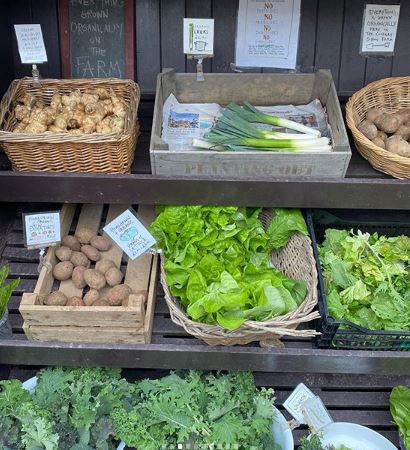

We’re so fortunate to be in the midst of a 100 acre organic farm in East Cork with hens, pigs, cows, a micro diary which yields Jersey milk, home-made butter, buttermilk, yoghurt and thick rich cream everyday. A Bread Shed in a converted mega trailer and a Fermentation Palace in another repurposed trailer, but best of all from the food point of view is an acre block of greenhouses (a relic of a horticultural enterprise which operated right into the 1970’s ) which we now use as a protected garden. Although it’s not heated, the crops mature two or three weeks earlier than outdoor vegetables and herbs.


I feel elated when the first of the beetroot is ready to harvest. Three super delicious vegetables in one, the beets, stalks and leaves. Most people just think of pickled beetroot but the young beets are unbelievably delicious served as a hot vegetable particularly with a roast duck or a fish gratin. I pickle the stalks too. They cook in a minute or two, drizzle them with extra virgin olive oil and add a little shredded fresh mint for a feast. We add them to stews, fish dishes, on and on.. but certainly don’t waste a scrap.


We also have the first bunches of Spring onions and the new seasons Sturon onions are bigger than a golf ball by now with lots and lots of green leaf. I’ve been melting the sliced bulbs in extra virgin olive oil for four or five minutes on a gentle heat, then adding every scrap of the sliced greens, some thyme leaves… A gorgeous accompaniment to a main dish or add a good dollop of cream to make an unctuous sauce to accompany a steak. The green spears of asparagus continue to pop up in beds in the garden so do try this asparagus and spring onion tart sometime during the few short weeks when Irish asparagus is in season.   
The pea pods are already forming lots of pea shoots and flowers so we’ll have those in a couple of weeks but guess what – we’ll have some new potatoes ready to harvest and sell this coming week. There’s something especially exciting about the first of the new potatoes, every year when we sit down to enjoy the first of the crop, we make a wish and I remember my parents annual refrain, “Please God, hope we’ll all be as well this time next year”, all the more poignant in the midst of this Covid 19 Pandemic.
We’ve also had the very first globe artichokes this week. Simply cooked, in boiling well salted water with a dash of vinegar. Then served with a little bowl of lemon butter to dip the base of each leaf in and to enjoy the heart in chunks.
We’ve had lots of rhubarb for weeks now,  I eat it in some shape or form almost every day in a sweet or savoury recipe and as a compote for breakfast. A little stewed rhubarb makes a change from apple sauce and cuts the richness of pork deliciously.


Beetroot - Three delicious vegetables in one.

The new seasons beets are just ready to harvest.  The beets are swelling everyday but one can eat them from when they are the size of a table tennis ball.  We love them served hot as a vegetable when they are young and sweet but we use the stalks and leaves too.  The leaves are delicious served fresh in a salad or wilted down like spinach.  The stalks and leaves can be served together as in the Beetroot Tops recipe or the stalks can be blanched, refreshed and drained, then  tossed in a little extra virgin olive oil and some freshly snipped herbs and serve warm or cold.

How to cook Beetroot
Leave 5cm (2 inch) of leaf stalks on top and the whole root on the beet. Hold it under a running tap and wash off the mud with the palms of your hands, so that you don't damage the skin; otherwise the beetroot will bleed during cooking. Cover with cold water and add a little salt and sugar. Cover the pot, bring to the boil and simmer on top, or in an oven, for 15-20 minutes (in May/June when they are young) depending on size (they can take 1-2 hours in late Autumn and Winter when they are tough). Beetroot are usually cooked if the skin rubs off easily and if they dent when pressed with a finger.  If in doubt test with a skewer or the tip of a knife.  Use in chosen recipe.

Hot Beetroot with Cream and Parsley


Serves 4-6

675g (1 1/2 lbs) beetroot, cooked
15g (1/2oz) butter
salt and freshly ground pepper
a sprinkling of sugar
150-175ml (5-6fl ozs) cream
2 tablespoons of coarsely chopped parsley

Peel the freshly cooked beetroot, use rubber gloves for this operation if you are vain!  Chop the beetroot flesh into cubes.  Melt the butter in a sauté pan, add the beetroot toss, add the cream, allow to bubble for a few minutes.  Season with salt and freshly ground pepper and sugar.  Taste and add a little lemon juice if necessary. Scatter with fresh parsley and serve immediately. 


Beetroot Tops (Stalks and Leaves)
Young beetroot tops are full of flavour and are often unnecessarily discarded; but if you grow your own beetroots, remember to cook the stalks as well. When the leaves are tiny they make a really worthwhile addition to the salad bowl, both in terms of nutrition and flavour. This isn’t worth doing unless you have lovely young leaves. When they become old and slightly wilted, feed them to the hens or add them to the compost.

Serves 4

450g (1lb) fresh beetroot tops
salt and freshly ground pepper
butter or olive oil

Keeping them separate, cut the beetroot stalks and leaves into rough 5cm (2in) pieces. First cook the stalks in boiling salted water (1.8 litres/3 pints water to 1 1⁄2 teaspoons salt) for 2-4 minutes or until tender. Then add the leaves and cook for a further 2–3 minutes. Drain, season and toss in a little butter or olive oil. Serve immediately.


Beet Stalks with Olive Oil and Mint

Prepare and cook the beet stalks as above, drain well. Drizzle with extra virgin olive oil and sprinkle with freshly chopped spearmint. A simple but truly delicious combination.

Beet Leaves


Serves 4-6

In season: May-early June

Here are three different basic methods of cooking beet greens.

900g (2lb) fresh beetroot leaves, with stalks removed (cook stalks separately)
salt, freshly ground pepper and a little freshly grated nutmeg
50-110g (2-4oz) butter

For preparation
Method 1 (Wilted Method)
Wash the prepared beetroot leaves and drain. Melt a scrap of butter in a wide frying pan, toss in as many beetroot leaves as will fit easily, season with salt and freshly ground pepper.  As soon as it wilts and becomes tender, strain off all the liquid, increase the heat and add some butter and freshly grated nutmeg.  Serve immediately.

Method 2 (Buttered Beet Greens)
Wash the prepared beetroot leaves and drain.  Put into a heavy saucepan on a very low heat, season and cover tightly. After a few minutes, stir and replace the lid. As soon as the leaves are cooked, about 5-8 minutes approx., strain off the copious amount of liquid that beetroot releases and press between two plates until almost dry. Chop or puree in a food processor if you like a smooth texture. Increase the heat, add butter, correct the seasoning and add a little freshly grated nutmeg to taste.

Method 3 (Buttered Beet Greens)
Cook the beet greens uncovered in a large saucepan of boiling salted water until soft, 4-5 minutes approx.  Drain and press out all the water. Continue as in method 2.  Method 3 produces fresher coloured leaves.

Beet Greens with Cream
Cook the beet greens by method 2 or 3, drain very well.  Add 225-340ml (8-12fl oz) cream to the beetroot and bring to the boil, stir well and thicken with a little roux if desired, otherwise stir over the heat until the beetroot has absorbed most of the cream.  Season with salt, pepper and freshly grated nutmeg to taste.  Creamed beet greens may be cooked ahead of time and reheated.

Poached Eggs with Beet Greens
A classic dish and one of the most delicious combinations.
Serve freshly poached free-range organic eggs on top of creamed beet greens - one of our favourite lunch or supper dishes.



Monday, 17 June 2019

Gooseberries – The Forgotten Fruit

This evening we had compote of gooseberries with elderflower after supper with a few friends, a simple dessert, just stewed gooseberries really but it blew everyone away. Most of our friends hadn’t tasted gooseberries for years – they had virtually forgotten about them. 


The intense flavour sent them into a spin of nostalgia many called them Goosegogs when they were children. They reminisced about the gooseberry bushes in Granny’s garden, picking gooseberries from the prickly bushes, top and tailing them around the kitchen table for gooseberry jam, and the dire warnings not to eat them before they were ripe or “you’d get a pain where you never had a window”.

Wonderful how a flavour brings memories flooding back, one mouthful and I was back in our little vegetable garden in Cullohill, picking tart green berries into an enamel bowl, so hard they sounded like stones against the side of the bowl.


Gooseberries are ripening in the Ornamental Fruit Garden - Ballymaloe Cookery School

Mummy usually made red gooseberry jam from the riper fruit, but years later I discovered the magic of green gooseberry and elderflower jam from Jane Grigson’s Good Things cookbook published in 1971.
She also introduced me to the magical combination of green gooseberry and elderflower. Ever since, as soon as I see elderflower blossoms in the hedgerows, I know it’s time to dash down the garden to rummage through the prickly branches of the gooseberry bushes to pick the hard, green, bitter, marble-sized berries.
It’s difficult to imagine that they are ready to eat but believe me they make the best jams and compotes at this stage and also freeze brilliantly.
If you don’t have a gooseberry bush in your garden, dash out and buy at least one now, better still three, at least one should be Careless, Invicta is another delicious variety which is somewhat resistant to mildew.
Unless you live close to a good Country or Farmers Market you are not likely to find fresh gooseberries. Unlike strawberries and raspberries which are available ad nauseam all year round, fresh gooseberries are rarely to be found on a supermarket shelf.
We grow several varieties of gooseberries; some in bush form. We train others as cordons or in a fan shape along a wall. The latter are a brilliant discovery, so much easier to pick. Gooseberries are deciduous and the fruit is high in Vitamin C.
Only today, I discovered the origin of the word gooseberry or spíonán in Irish, apparently they were so named because they were used to make a sauce for roast goose to cut the richness – Can you imagine how delicious that combination would be?

Monday, 27 August 2018

Edible Flowers


Cornflowers, primroses, forget-me-nots, day lilies, marigolds, roses, lavender, nasturtiums, dahlias, chrysanthemum


I love to scatter flower petals over desserts, cakes and biscuits. Judiciously used they also add a little magic to starter plates and salads. Of course the flowers must be edible but a wide variety of blossoms are, as well as the flowers of broad beans, scarlet runners, sun chokes, peas and sea kale, but remember they will  eventually grow into the vegetables so pick sparingly.

The canary yellow zucchini and squash blossoms are also irresistible not just to tear into salads but also to dip into a tempura batter - stuffed or unstuffed.

Image result for ballymaloe cookery school edible flowers

Even the cheery little nasturtium flower with its peppery taste are both cute and delicious stuffed with a little herby cream cheese. We also chop the gaily coloured nasturtium blossom and add them into a lemony butter to serve with a piece of spanking fresh fish.

Fennell and dill flowers have a delicious liquoricey, aniseed flavour. They too add magic to fish dishes and broths but also to some pastas and of course salads.

crab toasts
Image from one of our 12 week students: http://themarkettableblog.com

Dahlia flowers are gorgeous sprinkled over salads, I particularly love them scattered over an heirloom tomato or potato salad.

Thyme flowers are various shades of blue and purple – we love to use them to garnish little pots of pate or to sprinkle over a bowl of silky onion and thyme leaf soup.
Sage and hyssop flowers are even more intensely blue and they two give a vibrant and perky flavour to salads and summer vegetable dishes.
The kombuchas and water kefirs that we serve at the school every day also include edible flowers which introduce the yeast of the area into the gut enhancing drink.


Friday, 3 February 2017

GIY HQ

It's spring again and the 12-week course is in full swing - 13 nationalities this time. Dark and dreary when they arrived, but now the evenings are getting longer and the birds are singing and snowdrops, crocus and tiny daffodils are bursting in flower. For the past few weeks I've spent many cosy evenings by the fire flicking through seed catalogues, choosing varieties of vegetables, fruit and herbs to plant during the coming season. I can't wait for the ground to warm up enough to get some seeds planted. Our 12-Week Certificate students are equally impatient to get started. On the first day when they arrived, we showed them how to sow a seed and then gave them a lettuce seedling to plant into the ground so we've whetted their appetite to think about growing some of their own food. 

Every now and then one comes across a natural leader, a person with an impossible vision who has the tenacity and charisma to make their vision a reality against all the odds. Michael Kelly, founder of GIY Ireland is certainly such a person and it can be a tiny incident that sparks an idea – this whole movement which supports the growing efforts of 150,000 people and 6,000 food communities both in Ireland and the UK, all started with garlic.


Michael Kelly (Image Credit Ilovecooking.ie)
Michael was busily doing the food shopping one dark evening, not his favourite task, he picked up a bulb of garlic – 50 cents, he was outraged to discover that it had come ‘all the way from China’.
It set him thinking surely to goodness we could grow garlic in this country.
Out of this outrage was born, what is now one of the most important social grass roots movements in the country: GIY – Grow It Yourself. 

Michael shared his discovery with some of his friends; they decided to arrange a meeting to ‘test the waters’. Did others feel the same? Was there any interest in this topic? Was there a hunger for knowledge? Over 100 people turned up to the initial meeting in the Waterford Library one September evening in 2008, standing room only – obviously there was an appetite to learn what for some was a ‘forgotten skill’ for others a longed for skill to learn how to sow a seed and grow even a little of their own food.
Michael had inadvertently stumbled upon a longing, among a significant number of people to discover the magic of sowing a seed and having the satisfaction of watching it grow into something they could eat and feed to their families in the secure knowledge that it was nourishing, wholesome and free of chemicals. Since that small beginning in 2008, Michael and his messianic team many of whom have soldered by his side voluntarily since the very beginning has travelled up and down the country starting branches, organised eight
GIY Gathering Conferences in Waterford, supported over 6,000 local champions, inspired and encouraged and continued to dream.
Michael was invited to deliver a DO lecture in Wales in 2012, during that event he became even more aware that the movement needed a headquarters, a centre where people could visit, see edible gardens bursting with vegetables, herbs and fruit, learn how to grow, eat and gather together to share the fresh seasonal food from the garden.
On the ferry boat back, he scribbled a ‘note to self’ on his pad – ‘must do, GIY HQ’ and stepped off the boat at Rosslare with an enhanced mission.
He shared his vision, it resonated with many people.
A vision is one thing, but raising €1.4 million to realise that vision is quite another – a massive fund raising campaign ensued over 4 years and on 8th October, GIY HQ was opened to a joyous reception from hundreds of supporters, well-wishers and local businesses and the passionate GIY team. It’s rare enough to find a work force so totally committed to an ideal as the group of twenty six super charged individuals who are overjoyed to be part of this project.


Michael outside Grow HQ (Image Credit - Waterford in your Pocket)

Michael thanked the myriad of people who had helped and supported his vision along the way but reserved extra special mention for Waterford County Council who had unanimously voted to donate the 3 acre site at Farronshoneen on Dunmore Road opposite the University Waterford Hospital and the Solas Centre to GIY.


Myself and Rory with Michael at the opening. 
The sustainable building on was designed by Solearth Architecture and encompasses class room, café, shop and cooking school –and now the work really begins. Check out the Grow HQ website... and come and see him at this year's Litfest in May, at Ballymaloe.