Friday, 27 August 2021

A Thousand and One Names for Pasta

Life without pasta - can you imagine? Well I can, though I would no longer want to contemplate a scenario where the 'go to' pantry ingredient was unavailable. You may not remember when you first tasted pasta because it's always been in your life...but I certainly do. It was in the late 1960's, soon after I had started in Ballymaloe House kitchen…’Children’s Tea’ was served every evening at 5.30pm - essentially supper. Myrtle loved to cook delicious food that the children loved to eat so the over-picky eaters didn't miss the junk.


On this occasion, word came from the dining room that one child would only eat spaghetti tossed in butter with a sprinkling of grated Cheddar. What was spaghetti? It certainly wasn't available in our local village shop at that time so someone was dispatched to Midleton to find a few packets. I was intrigued… Subsequently spaghetti became a favourite item on the ‘Children’s Tea’ menu.. That child who ate nothing but pasta for the entire stay is now a hugely successful international business man with a penchant for gourmet foods...

Actually, now that I think about it, we may have had macaroni in our village shop in Cullohill in Co. Laois earlier but spaghetti was a new discovery for me.

I keep wondering just how many pasta shapes there are, certainly hundreds, it's difficult to do an exact count because some have different names in different regions and dialects. Pasta manufacturers and cooks occasionally come up with new shapes or new names for old shapes - the possibilities are endless, depending on who you ask. In food historian Zanin De Vita's Encyclopaedia of Pasta, she encountered 1,300 names for pasta, which of course takes in both historical and dialect names.

Remember, alphabet pasta - alfabeto and then there's are also stelline (little stars), quadrucci (little squares), puntini (little dots). 

All pasta starts off fresh whether it's handmade at home or extruded from a machine in a factory which is then destined to be dried so it lasts indefinitely ready for us to use at a moment's notice.


I love the way pasta can be a simple supper or a luxurious main course for a special dinner party. It's the quintessential ‘handy’ ingredient for spontaneous summer meals... 

The smaller shapes are delicious served in a chicken or vegetable broth, maybe add some peas and sprinkle with a dusting of Parmesan and not just for children.

Fettuccini A'lfredo - strands of pasta, mixed with cream and butter (thickened quickly over a gentle heat) - is rich and gorgeous and lends itself to seasonal additions.

Try it with:
Lobster, prawns or scallops and chopped fresh herbs.  
Sauted cougettes and garnished with torn courgette flowers.
Smoked salmon and parsely.
Roasted pumpkin and rocket.
Red pepper and rocket.

It is also lovely to just add some delicious fresh vegetables: peas, beans, seaweed or wild greens depending on the season or what you can find in your local Farmers Market. 


Friday, 20 August 2021

Chasing Smoke: Cooking Over Fire Around The Levant

Even if you didn’t know Sarit Packer and Itamar Srulovich, you’d have to be intrigued by this title Chasing Smoke, and its bright orange cover. There are many cookbooks these days so it’s difficult to stand out from the crowd but this one certainly does.


It’s a third book from the ‘Honeys’ who own the much loved London restaurants, Honey & Co, Honey & Smoke and Honey & Spice.

Where there is smoke, there is fire and this irrepressible couple have been following the trail of smoke all their lives. They tell me that where there’s fire, food, friendships and memories are made.

Sarit and Itamar at our kitchen table

Their own fires burn brightly at their grillhouse Honey and Smoke at the northern end of Great Portland Street in London. The irresistible smell of aubergines, onions, courgettes and squash charring over coal and wood smoke wafts out onto the street to tempt the passers-by to follow the trail to the source of the delicious smells.

This book takes us across the Levant as Sarit and Itamar visit their favourite cities in Alexandrea, Egypt, Amman, Jordan, Acre, Israel, Adana, Turkey and Thessaloniki in Greece. They’ve really get a knack for ferreting out the most delicious simple, flavour packed dishes – could be a meal for two or a mouth-watering joyful feast for your family and a few friends. Perfect timing…exactly the sort of food I want to eat now that we can have a little get together outdoors, lots of fresh air and tantalizing smells.


Sarit and Itamar really are masters of cooking over fire. I love how they pass on many of the tips and tricks they’ve learned over decades of grilling both at home and in their restaurants - there’s even some rainy day advice. In Chasing Smoke, they’ve put together a beautiful collection of recipes from all over the Middle East from the most famous grill houses to the humblest roadside kebab houses, even cooking over a circle of stones on the sea shore.


I also learned about balcony cooking, the reality for so many in high-rise apartments but it doesn’t matter where you live, one can cook safely over a little grill and reawaken the hunter gatherer within us all.

Thursday, 12 August 2021

Meadowsweet

If you have been meandering along the country roads for the past few weeks, you’ll have seen swathes of fluffy cream flowers along the verges, tiny sweet fragrant blossoms clustered together in irregularly branched cymes. The plant grows 2-4 foot tall and is called meadowsweet. The legendary Tudor botanist and herbalist John Gerard called this wildflower that blossoms from the end of June until mid-September ‘Queen of the Meadows’, and described how it ‘delighted the senses and scented people’s houses’. It is sometimes called mead wort and thrives in clammy meadows and ditches and along river banks. 

Meadowsweet delights me too and I love it for a myriad of reasons, not only the fact that it comes into season just as the elderflowers fade. I’ve been using the latter in a myriad of ways but from now until September, it’s the turn of frothy meadowsweet. It has many medicinal qualities and is known to contain salicylic acid, one of the components of aspirin and has pain relieving and anti-inflammatory properties. Herbalists value it for its many medical qualities, bees and hoverflies love it too.

But we can also enjoy it in the kitchen. I’ve been adding to my repertoire of meadowsweet recipes for the past few summers. It flavours custard deliciously which can then be churned into meadowsweet ice-cream. You can imagine how fragrant meadowsweet panna cotta and crème brûlée are – infuse the milk for rice pudding. It also makes a delicious cordial, lemonade, spritzer or
a simple tea. Strew a few blossoms on the base of a cake tin while making a sponge and/or add some to a lemony icing. Try flavouring end of season rhubarb compote for a delicious surprise and I’ve had success with both rhubarb and ginger meadowsweet jam plus it also combines well with gooseberry to make a delicious compote. How does meadowsweet gin and tonic sound? Infuse gin for a week or two as you would sloe or damsons. Strain and enjoy. 

Keep your eyes peeled for meadowsweet as you drive through the countryside. Pop it into a vase on your kitchen table, it will perfume the entire kitchen while you decide on delicious ways to enjoy it…

Meadowsweet Tisane

From spring onwards when the herb garden is full of an abundance of herbs, we make lots of tisanes and herb teas. All you need to do is pop a few leaves or flowers into a teapot, pour on the boiling water – and allow it to infuse for a few minutes. Infinitely more delicious than the dried herb teabags.

You can combine herbs and flowers including: meadowsweet, lemon verbena, rosemary, sweet geranium, lemon balm, spearmint, peppermint...

Bring fresh cold water to the boil. Scald a china tea pot, take a handful of meadowsweet flowers and crush them gently. The quantity will depend on the strength of the herb and how intense an infusion you enjoy. Put them into the scalded teapot. Pour the boiling water over the flowers, cover the teapot and allow to infuse for 3-4 minutes. Serve immediately in a glass or china teacups.

Rhubarb and Meadowsweet Compote

Serves 4

450g (1lb) field rhubarb

450ml (16fl oz) stock syrup (dissolve 175g/6oz of granulated sugar in 300ml (10fl oz) of water and boil for 2 minutes)

4-6 sprigs of meadowsweet

Cut the rhubarb into 2.5cm (1 inch) pieces. Put the cold syrup into a stainless-steel saucepan, add the rhubarb and meadowsweet. Cover, bring to the boil and simmer for just 1 minute, (no longer or it will dissolve into a mush). Turn off the heat and leave the rhubarb in the covered saucepan until just cold. Remove the meadowsweet, serve with lots of softly whipped cream sprinkled with meadowsweet blossoms.


Meadowsweet Syrup

Makes 400ml (14fl oz)

225g (8oz) sugar

300ml (10fl oz) water

10-15 meadowsweet heads

To make the meadowsweet stock syrup: Put the sugar, cold water and meadowsweet into a saucepan. Bring slowly to the boil. Boil for 2 minutes then allow it to cool. Strain and store in the fridge until needed.


Meadowsweet Lemonade

3 lemons

225ml (8fl oz) meadowsweet syrup (see above)

750ml (1 1/4 pints) water

ice

meadowsweet heads

Juice the lemons. Add the syrup and water. Mix and taste. Add ice and meadowsweet to garnish.


Meadowsweet Gin

It’s great fun to organise a few pals to pick some meadowsweet and have a meadowsweet gin-making party. Either enjoy it neat or put a measure of damson or sloe gin in a glass, add ice, a slice of lemon and top it up with the finest tonic.


50g meadowsweet (heads)

350g (12oz) granulated sugar

1.2 litres (2 pints) gin

Put the meadowsweet into a sterilised glass Kilner jar and cover with the sugar and gin. Seal tightly.

Shake the jar every couple of days to start with and then every now and then for 2-3 weeks by which time it will be ready to strain and bottle. It will improve on keeping so try to resist drinking it for another few months.


Friday, 6 August 2021

Summery Salads


Delicious as they are, let’s throw out our preconceived notions of traditional salads, and get wildly creative with both dressings and flavour combinations...

Choose beautiful greens, not just a bag of mixed salad leaves. Seek out crunchy heads of Little Gem, speckled Castelfranco, bitter red chicory, Endive and Radicchio, peppery watercress sprigs, dandelion leaves, pea shoots, crunchy little romanesco florets....


Add lots of soft fresh herbs... mint, chervil, coriander, basil, tarragon, can’t you just taste the combination.

Kale and Hispi or Savoy cabbage are transformed when sprinkled with flaky sea salt then given a good massage until they are soft and silky.

Ramp up your dressings....

The classic formula of 3 parts oil to 1 part acid seems so samey.....

To add extra zizz, try a perkier 2 parts oil to 1 part acid, could be wine, cider, sherry or champagne vinegar or freshly squeezed citrus juice...


But let’s get extra adventurous... how about…

Natural yoghurt, lime and harissa....

Grape seed oil, rice vinegar, miso and grated ginger...

Mayonnaise, rice wine vinegar, garlic and gochujang...

Extra virgin olive oil, cider vinegar and maple syrup...


Roasting or grilling transforms vegetables like carrots, radishes, broccoli, cabbage or romanesco florets. Be bold, use a high heat for maximum caramelisation and sweetness.

Raddichio, chicory, kale and Romaine are also brilliant grilled.

Some pickled vegetables – chillies, cucumbers, red onions, grapes, radishes, rhubarb really add extra oomph to a salad.


Think about texture as well as flavour. Add crunchy corn or potato chips, crispy fried onions or shallots or slivered garlic.

Toasted walnuts, almonds, hazelnuts, cashew nuts or roasted nuts are always a pleasing addition...

Crispy pork scratchings, garlic croutons or chunks of nut brittle can also be a delicious surprise.


Shaved radishes, scallions, fennel, kohl rabi or beets submerged in cold water with lots of ice will crisp deliciously and can be done several hours ahead. Add a dice of membrillo for extra sweetness and a little unexpected pop of flavour.

Slivered chilli, salted anchovies or sardines or grated horseradish or burratta are also brilliant flavour enhancers.

Where to stop…really, the world’s your oyster so throw caution to the wind. I also love to occasionally finish a salad with a little grating of lemon zest…


Wednesday, 28 July 2021

Foraging Summer's Bounty

Here at Ballymaloe Cookery School, we’ve been doing Foraging courses throughout the seasons for over twenty years and we all continue to add to our knowledge of the abundance of wild and free food all round us.


Apart from the fun and extra dimension foraging adds to a walk collecting food in the wild, there’s an even more important reason to become more knowledgeable about the free bounty of nature. A high percentage of foods, berries and nuts in the wild are edible. Unlike many conventional foods they have not been tampered with to produce maximum yields at minimum costs so their full complement of vitamins and minerals and trace elements are intact making them highly nutritious and nutrient dense, up to twenty times, more than in the ultra-processed food on which so many of us depend nowadays.


One can forage all year but there are particularly rich pickings at present both in the countryside and along the seashore! So let’s mention a few, succulent marsh samphire (salicornia europaea) which is also known as glasswort because it was used in the fourteenth century by glass makers, grows in marshy areas close to the sea. It’s at the peak of perfection as present, full of Vitamin A, calcium and iron, nibble raw or blanch it in lightly salted water – it’s salty crunch is great with fish or indeed with lamb. Sea Purslane which grows close is also abundant at present.

Pretty much everyone recognises dandelions, I regularly urge people to nibble at least one dandelion leaf a day or pop some into a green salad – full of vitamins A, C, and K, calcium and iron.

Gardeners will be cursing chickweed at present, it romps around the garden between the vegetables and in flower beds. Where others ‘see weeds, we see dinner’. Pick the chickweed and add to salads or wilt it like spinach, add to mashed potato, risotto or pasta. It too is highly nutritious. There’s several varieties of wild sorrel about too, buckler leaf sorrel, lambs tongue sorrel and common field sorrel. There’s masses of fluffy meadow sweet along the roadside at present, it will last into early autumn – use to flavour panna cotta, lemonade, custards…


Watch out for wild mushrooms too, I found just one ‘field’ mushroom yesterday but they usually pop up in warm muggy weather in fields or even on lawns that haven’t had chemicals added. The flavour is exquisite, don’t waste a scrap. Chop or slice a glut (including the stalks), sauté and freeze to add to a stew or make into a ketchup.


If you’d like to learn more about foraging on land and along the seashore, perhaps you would like to join me on August 6th for a Summer Foraging course. You’ll learn how to identify and use over forty seasonal wild food plants, flowers, as well as many foraged foods from the hedgerows. Free ingredients, fresher and tastier and often more nutritious than almost anything you will find in the shops. A walk in the countryside will never be the same again. Where you previously saw weeds, you’ll now see dinner!

Suitable for chefs, professional foragers or for anyone with an interest in foraging for pleasure.

Numbers are limited, so booking essential - book online or by phone 021 4646785

***

If you’re a newbie to foraging, be careful – don’t nibble anything you are unsure of, and introduce foraged food gradually into your menu, better not to binge at first.

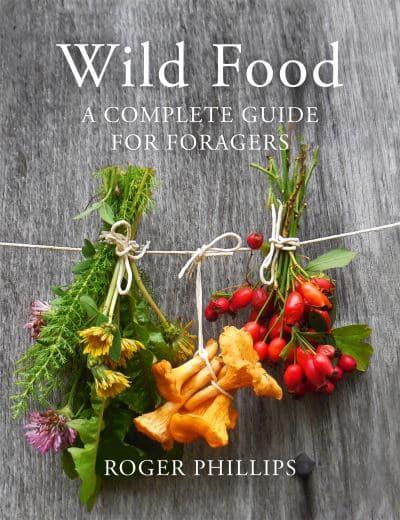
Buy a good beginner's guide to foraging.

Wild Food


Tuesday, 20 July 2021

Aeolian Dreams

I am just longing to jump on a plane and spend a few days in Greece or puttering around the Aeolian Islands. Imagine those clear skies and azure blue seas and little tavernas by the seas with spanking fresh grilled fish, sizzling saganaki, a freshly chopped Greek salad - gorgeous sunny Summer food. I've never been to Greece in Winter but I also love those rich bean soups, lamb and beef stifados, and an occasional pork or wild boar and butter bean stew...

The closest I'll come to that in the near future is a trip down memory lane with Rosemary Barron's Flavours of Greece, originally published in 1991 but it has never gone out of print and has recently been republished by Grub Street.

Many books have been written on Greek food since then but Rosemary's book is still considered to be the most authentic and authoritative collection of Greek recipes.
In the 1980’s, Rosemary owned a cooking school in a 450 year old village house on the island of Crete, the first of its kind in Greece and described by Vogue as one of the best cooking schools in Europe. Her recent courses on Santorini explore the foods and flavours of Greek antiquity.

Greek summer dishes are just the sort of food I am loving at present. A selection of mezze to set taste buds tingling.

Mezze can be a simple or an elaborate selection, so easy to put
 together – 5 to 25 dishes...marinated Kalamata olives, chunks of feta or kefalotiri cheese, radishes, toasted salted almonds, taramasalata, hummus, broad beans, aubergine in many guises, spanakopittas (little filo pastry pies) stuffed with meat, vegetables or cheese, peppered figs, dolma wrapped in grape leaves, octopus, smoked eel, tiny fried fish....serve with lots of pitta or flat bread and a glass of crisp Greek wine. I’m also dreaming of Avgolemono - a delicate and comforting chicken and rice soup, light and refreshing for Summer evenings. 

I can virtually smell Souvlaki – chunks of pork marinated with juniper and coriander, a dash of red wine and lots of garlic and oregano charring over the charcoal…
Grilled Kephtedes (spicy beef and lamb patties) are also irresistible with a dollop of Tsatsiki and of course a Greek Salad - chunks of sweet ripe tomato, cucumber and spring onion dressed with gutsy Greek olive oil and freshly squeezed lemon juice. (Try making your own using one of my favourite recipes.)

A quick aside on marjoram and oregano, as there seems to be considerable confusion between them. There are several different forms: Common marjoram is a perennial, it re-emerges every year, but annual marjoram has an infinitely superior flavour and is closest to the Greek oregano. (see photograph). Annual marjoram, also known as knotty marjoram is closest in flavour to the Greek oregano. 

Follow with a platter of deliciously ripe
 fresh summer fruit and berries on a 
bed of fig or grape leaves served with some Mizithra cheese and Hymettus honey - divine.

Simple as it sounds, it can be very difficult to reproduce here in Ireland when it's so difficult to find ripe figs and stone fruit in summer but a platter of ripe fresh local berries would be sublime if you can find them. 

Saturday, 10 July 2021

Food Trucks

Food trucks are popping up everywhere to liven up our lives. The past year has seen an explosion of them here in Ireland, as restaurants and cafes were forced to close due to coronavirus lockdown restrictions and we all had to get used to eating al fresco in all weathers. I want to share just a few of my favourites here...


The Ballymaloe Cookery School Field Café has reopened for the summer season. Serving delicious savoury and sweet treats, a killer affogato with our own homemade ice-cream and coffee from The Golden Bean Roastery. Open Monday to Saturday from 10am – 4.30pm with lots of outdoor space to sit and enjoy.


How wonderful to find so many delicious hidden surprises at Niamh's Larder, a 15 minute walk along Ballybrannigan Strand...a stunning beach off the beaten track here in East Cork, not too far from Whitegate. 


Niamh did the 5 week cookery course here at the Cookery School and is the founder of Midleton Neighbourfood, which connected local people to local food producers during the pandemic when markets were closed. Find her on Instagram @niamhs_larder


Niamh's is one of six food trucks featured on the RTE series Battle of the Food Trucks available to watch on the RTE player online.

Here in Shanagarry we also have Trawler Boyz down at Ardnahinch Strand and Fry Guys outside the Goal Post serving up fresh local fish, seafood and chips.

There's also Fred's Food Truck outside the Jameson Distillery in Midleton. I haven’t eaten there yet but apparently their BLT with smoked Irish bacon in a Jameson glaze is worth a try as well as many other tempting bites. Check out @freds_foodtruck on Instagram

If you’re in the sunny South East, check out The Tin Roof Food Stand in Enniscorthy, Co. Wexford. They have a green area and picnic tables and have a food truck serving toasted sandwiches, sausage rolls and great coffee. They also have new season’s Wexford strawberries and new potatoes on sale. Every Saturday from 9am – 2pm on the Fair Green.


Camus Farm is a 30-acre organic farm with 3 large stone-built dating from 1850 and supporting rare breed cattle, native tree/hedge species and traditional grassland meadows. Camus is in rural West Cork close to Inchydoney and the town of Clonakilty. Look out for their pop-up diner in their outdoor Field Kitchen Restaurant – delicious no-choice menu cooked from produce grown on the farm and local area.